Golf Base Layers for Winter: Fit, Warmth and Fabric
Start next to the skin, then check every layer above it.
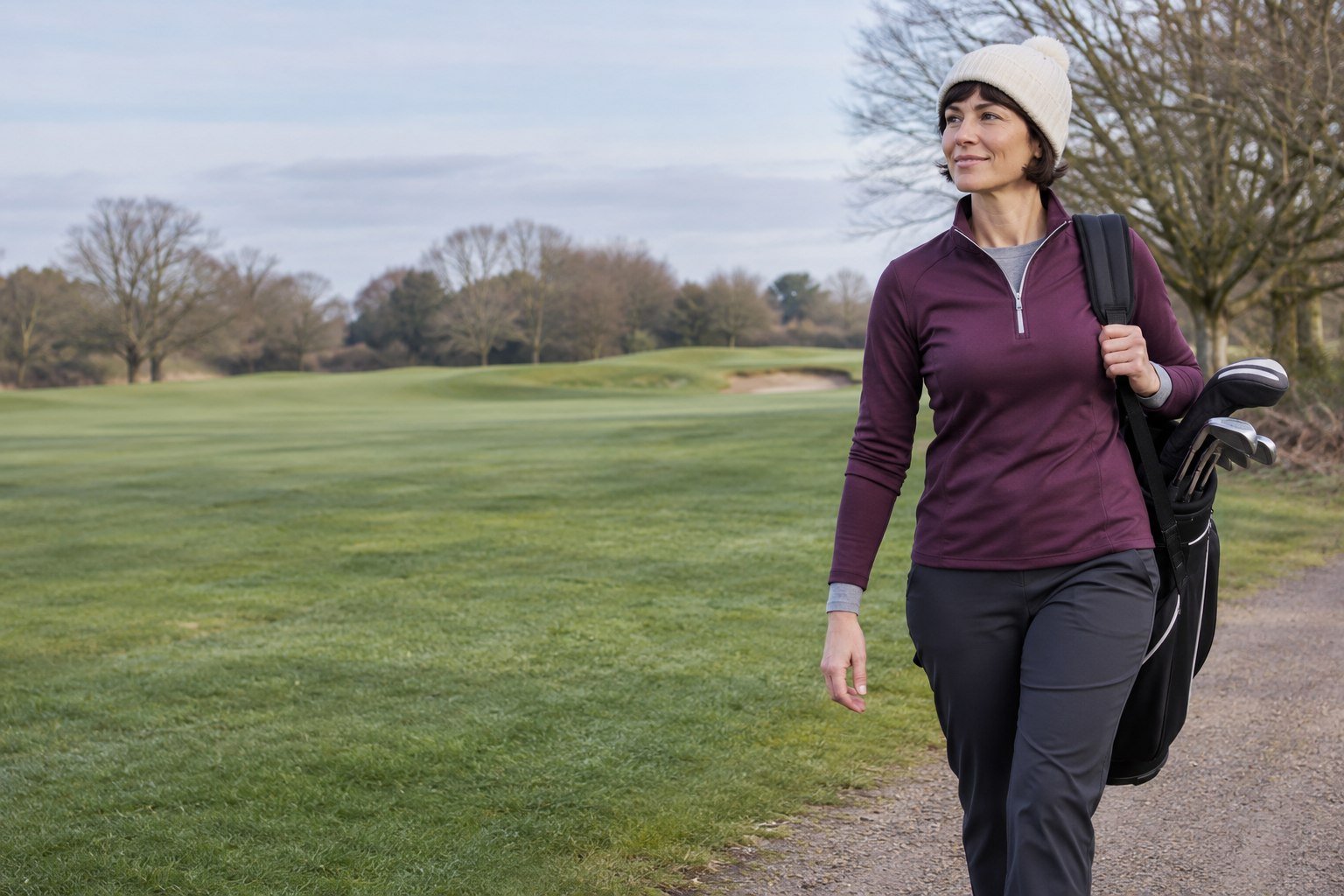
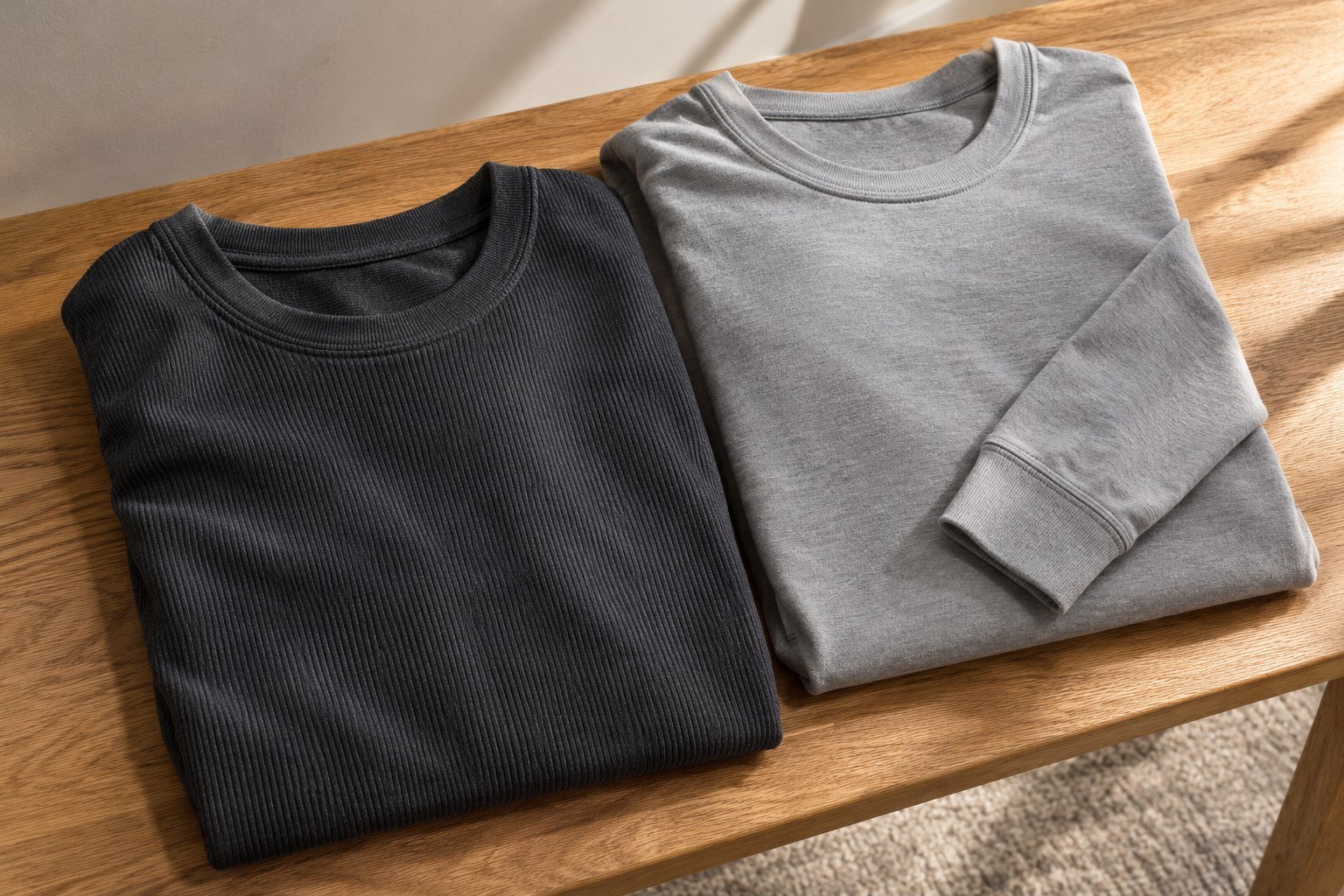
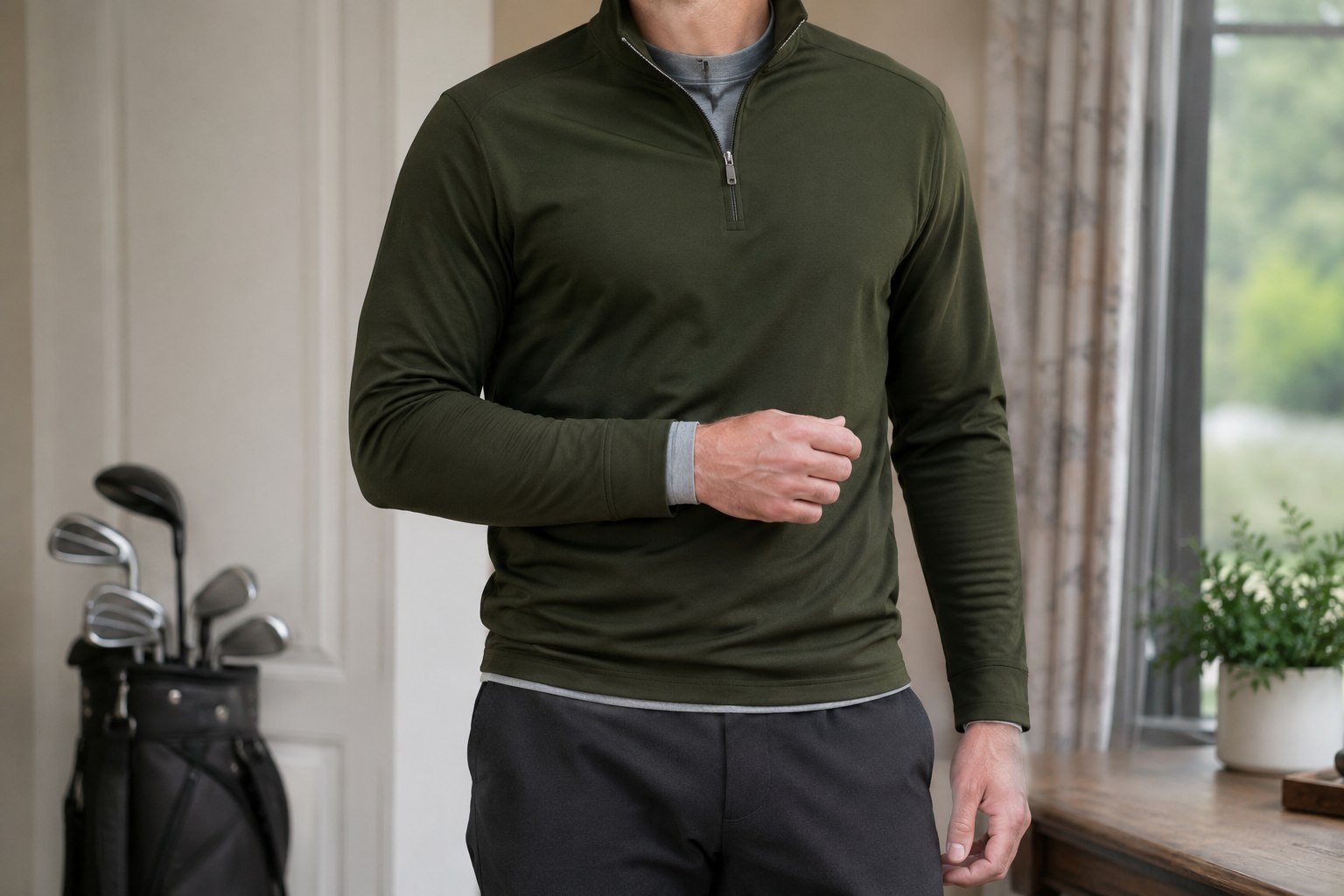
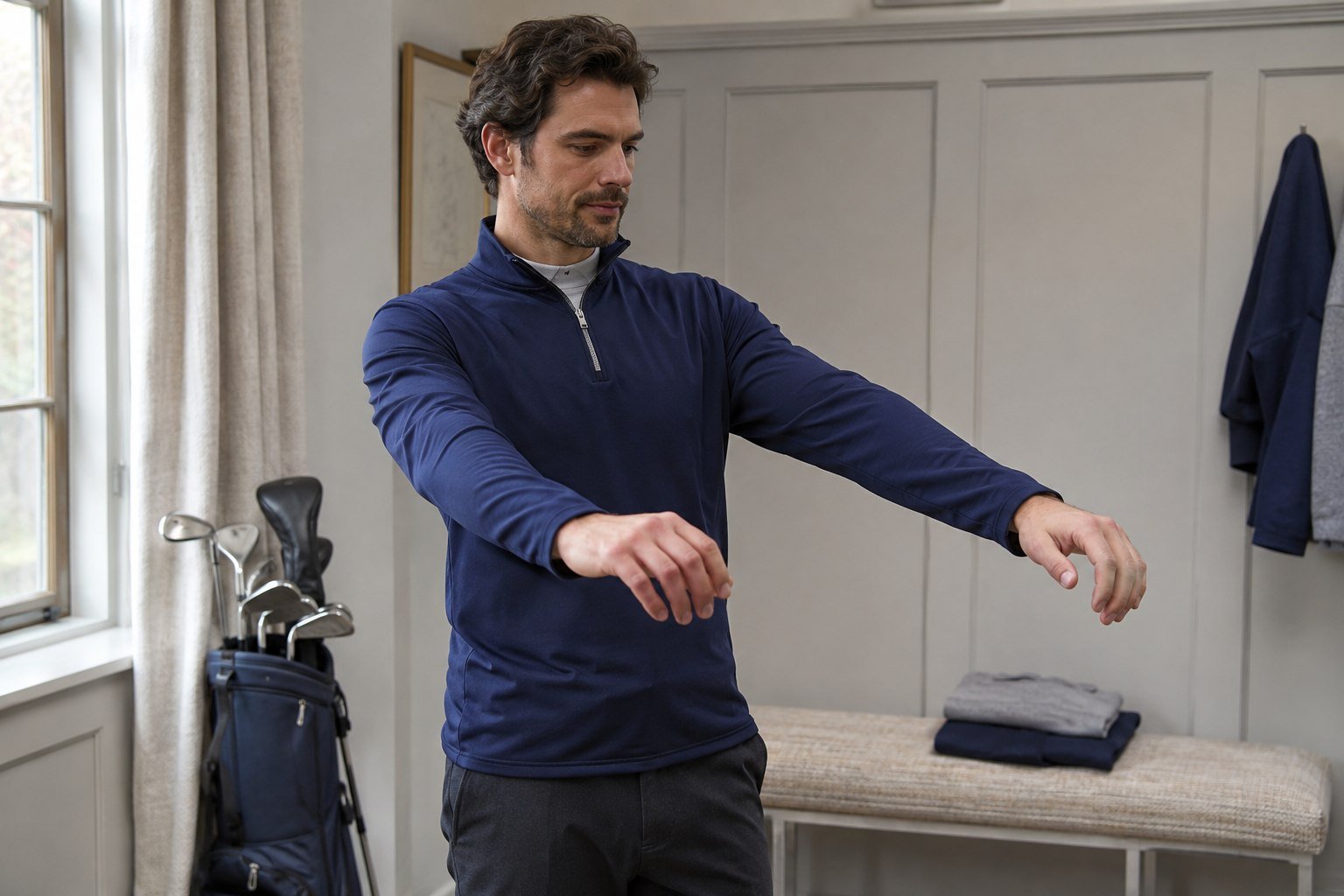
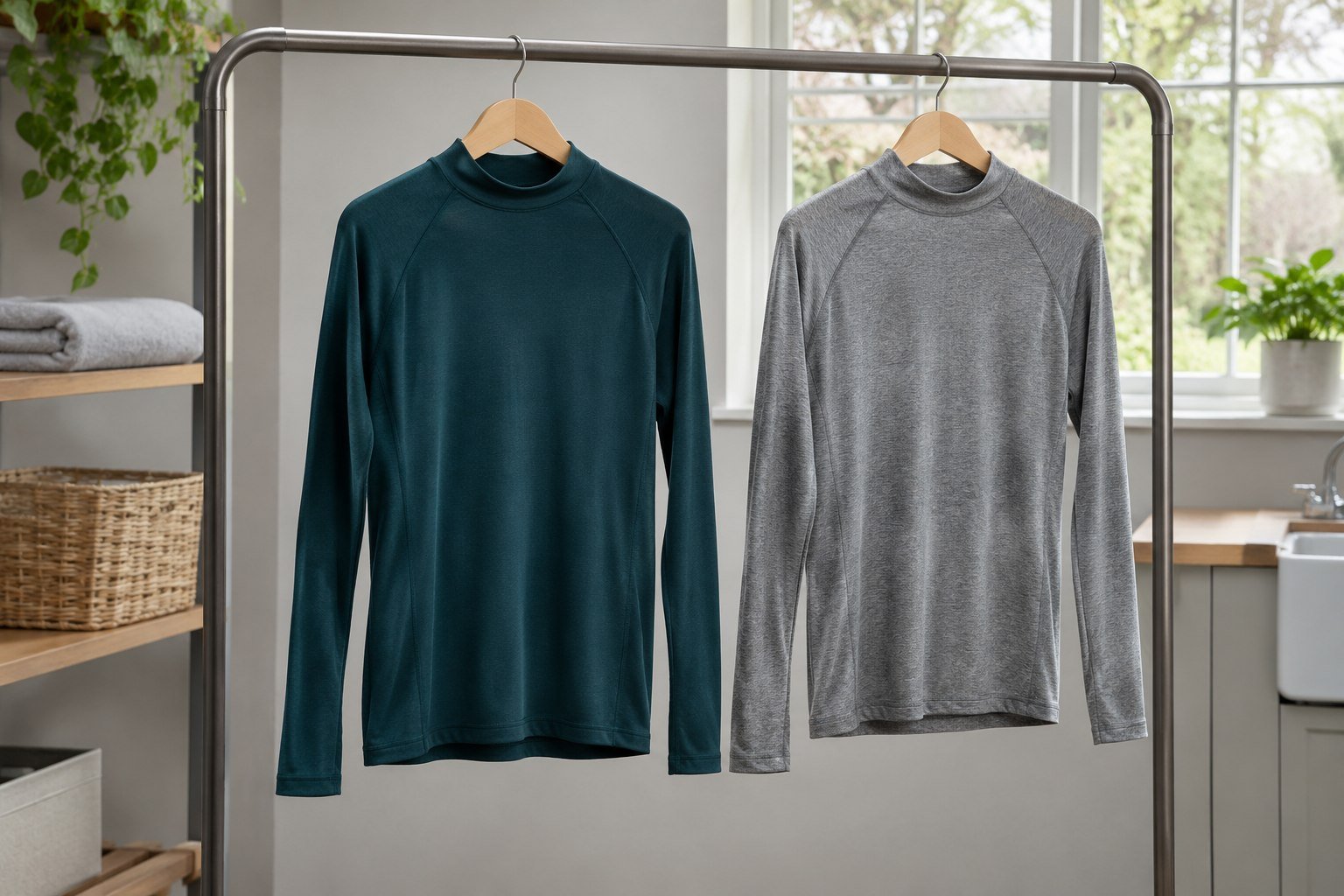
Choose the base layer as part of the full outfit you expect to wear for the round. AI-created category illustrations show generic clothing and equipment, not the named products or a product test.
Golf base layers for winter need to work beneath the clothes you already use. A thermal top can look suitable on its own yet leave too much fabric at the wrists, a crowded collar or a tight shoulder once the polo, pullover and outer layer go on. Choosing the first layer without checking the rest of the outfit misses those interactions.
The aim is a comfortable combination you can adjust through the round. This research-led guide uses current manufacturer specifications to explain construction choices, then provides an original fit and layering checklist. It does not rank laboratory warmth, prescribe compression or claim that the featured tops have been worn or tested by Taylor’s Trailblazing Golf.
This guide contains affiliate links. If you buy through them, Taylor’s Trailblazing Golf may receive a commission at no extra cost to you.
Check where fabric gathers before choosing a thicker thermal.
Compare the whole construction, not just the fibre percentage.
Try a crew neck beneath the polo and middle-layer collar.
Use the complete outfit check before buying a golf-branded replacement.
Golf base layers for winter: choose for the whole outfit
Start by naming what you want to change. Is the first layer uncomfortable against your skin? Are you missing coverage when you bend? Is the whole outfit too bulky? Or do you feel exposed only when the wind reaches your outer clothing? Those observations lead to different purchases, and sometimes to no purchase at all.
For selection purposes, separate three jobs: the layer next to your skin, the middle layer providing the amount of insulation you want, and the outer layer providing the stated weather protection you need. One garment can contribute to more than one job. The point is to understand the complete combination before adding another top.
Do not treat a winter thermal description as a waterproof or windproof specification. Likewise, avoid choosing by a universal temperature threshold invented from a product name. Your starting outfit, walking pace, time spent waiting and opportunities to remove layers are all part of the decision.
If you already own a thermal for another outdoor activity, use it as the first candidate in the fit check. Check the actual garment condition and its suitability beneath your golf clothes. A golf logo is not an additional fitting requirement.
Back to guide contents ↑Read the construction as well as the fibre label
A fibre percentage is a useful identification detail, but it leaves important questions unanswered. Look for the inside surface, panels, seams, hem shape and the maker’s intended fit. Two polyester-rich tops can still be very different garments.
Scroll the table horizontally on a small screen to see every column.
| Exact example | Published construction | Question to answer in person |
|---|---|---|
| Under Armour ColdGear Fitted Mock Style 1366066 | 87% polyester and 13% elastane. The maker specifies a brushed inner face, stretch-mesh back and underarm panels, a mock neck and a shaped, dropped hem. [1] | Does that combination of fabric and neck coverage fit beneath your chosen polo and pullover? |
| Galvin Green Elmo, White E01000019409 | 95% polyester and 5% elastane, long sleeves and a crew neck. The manufacturer calls the fit regular and places it in its SKINTIGHT thermal range. [2] | Does the lower neckline work better with your other collars, and does the actual cut sit smoothly? |
| icebreaker 200 Oasis Long Sleeve Crew Black, IB104365001 | 100% merino wool, excluding decoration, with a slim fit, underarm gussets, offset shoulder seams and a dropped rear hem. This is an outdoor thermal rather than a golf-specific design. [3] | Do the fabric feel, seams and overall cut suit you beneath the golf outfit? |
These are construction examples, not a warmth podium. There is no shared test here that establishes which top is warmest, driest or most comfortable. The percentage of elastane is not a complete measurement of garment stretch, and a photograph cannot establish how a fabric will feel on your skin.
The “200” on the Oasis page is presented within icebreaker’s warmth system. It should not become a temperature limit or a direct comparison with another brand’s thermal label. [3] If a retailer supplies a fabric weight, check whether it means fabric mass per square metre or the weight of the finished garment before using it in a comparison.
Choose the intended fit without chasing tightness
Begin with your current measurements and the chart for the actual garment. Fit names are not a common scale across brands. Do not translate “regular”, “fitted”, “slim” or a technology name into an automatic size change.
Under Armour describes style 1366066 as snug and form-fitting without compression. That is a useful distinction: a fitted label does not, by itself, promise compression or justify buying a smaller size. [1]
Use the golf clothing measurement guide to organise the starting measurements. Follow each manufacturer’s instructions for how to measure and use the appropriate range or cut. The men’s examples in this article do not establish equivalent sizes in women’s or other ranges.
- Across the torso: look for a smooth position you can maintain without repeatedly pulling the fabric down. Check both standing and seated.
- At the shoulders: reach forwards and gently turn. Notice whether the fabric pulls your sleeves, shifts the collar or bunches beneath the armpits.
- At contact points: pay attention to seams, labels, the neck edge and the waistband overlap. A soft-looking surface is not proof that those details will suit you.
- When layered: repeat the same movements after each top goes on. A base layer that works alone may be the wrong partner for a close-cut polo.
If the top feels uncomfortably tight, compare another size or cut. If it folds into bulky ridges, check the shape and length rather than simply pulling it tighter. The purpose is useful fit, not a target level of pressure, and this guide makes no claim about circulation, stamina or medical benefits.
Back to guide contents ↑Check the neck, waist and cuffs together
The boundaries between garments deserve as much attention as the centre of the fabric. A top can fit your chest and still fail as part of the outfit because its collar, hem or cuffs have nowhere convenient to sit.
Neckline
A mock or roll neck adds fabric around the neck; a crew neck leaves more space for the collars above it. Put the polo and middle layer on, close any zips and turn your head. Choose the arrangement that remains comfortable in the positions you actually use. A higher neckline is not automatically the better winter option.
Waist overlap
Wear the trousers and belt you normally play in. Try the base layer tucked or untucked as intended, then bend and reach. Check whether the back stays covered and whether excess fabric gathers under the waistband. A longer hem is only helpful if it can sit comfortably in your outfit.
Sleeves and wrists
Settle each sleeve before adding the next layer. Put your glove on and fasten it normally, then check the combined cuffs. If the wrist feels crowded, change which layer is causing the overlap rather than assuming the base layer needs to be shorter everywhere.
Use the same checks for a thermal you already own. They may reveal that changing one neckline or removing an unnecessary middle layer is more useful than replacing all the winter clothing.
Run a repeatable whole-outfit fit check
Use a clean indoor space for an initial try-on and follow the seller’s fitting and return conditions. This is a fit and compatibility check, not a thermal performance test. Avoid adding strenuous activity to a new-garment try-on in an attempt to predict an entire cold round.
- Start with the base layer. Stand, sit, bend and reach gently. Note any pressure, seam irritation or movement of the hem before other clothes hide the cause.
- Add your polo. Repeat the movements. Look for fabric caught at the shoulders, a collar sitting awkwardly or sleeves dragging the layer below.
- Add the usual middle layer. Check shoulder reach and wrist bulk. If a problem appears now, remove that layer and repeat once to locate the interaction.
- Close the outer layer. Check the complete outfit in an address position and a gentle turn, with clear space and no club. Do not rely on a jacket fitting only while open.
- Try your planned adjustment. Remove or open the layer you expect to change during a round. Confirm that the resulting outfit remains practical and that you can carry what comes off.
- Record the combination. Note the garment names, sizes and collars used. Comparing a second base layer only means something if the rest of the outfit stays the same.
Scroll the table horizontally on a small screen to see every column.
| Stage | What to record | Next change to try |
|---|---|---|
| Base layer alone | Pressure, seams, hem position and sleeve length. | Compare the base layer’s size or cut. |
| Polo added | New bunching, dragging or collar interference. | Try the same base layer with a different polo cut or neckline. |
| Middle and outer layers added | Where movement becomes restricted or cuffs crowd. | Remove one layer at a time to identify the clash. |
| Normal worn outfit after a round | When you wanted more or less coverage, and which layer you adjusted. | Change one part of the next outfit rather than replacing the set. |
A comfortable result indoors is a useful first gate. It does not establish how warm the outfit will feel in a particular wind, during a slow round or after a long walk. Use your experience with clothing you have actually worn to refine that second decision.
A verified buying option, with the version checked
If a fitted mock neck is the construction you want to try, Clubhouse Golf listed the Under Armour ColdGear Armour Mock Fitted in Charcoal Light Heather/Black, article 1366066-020, at £28.99 on 24 November 2026. Check your size, the current item price and any delivery charge before comparing the total. [4]
View that Under Armour base layer at Clubhouse Golf. Treat it as an option to assess against your outfit, not a guaranteed solution to cold-weather comfort. If you prefer a crew neck or the fitted cut does not suit you, this particular mock-neck listing is not the right purchase simply because its price is lower.
When comparing another retailer, match the article or style code as well as the name. A familiar model name can appear on different versions. Read the exact product label and ask about conflicting fit descriptions rather than assuming every listing describes the same cut.
Buying one suitable top first gives you a chance to check it with the full outfit and your normal laundry routine before paying for a rotation. If your existing thermal already passes those checks, keep the money for a specific unresolved clothing need.
Back to guide contents ↑Let the care label shape your winter rotation
Two tops used in the same role need not share washing and drying instructions. Check the label before deciding whether a garment fits your routine, especially when you play on consecutive days or have limited drying space.
Scroll the table horizontally on a small screen to see every column.
| Exact model | Manufacturer instructions relevant to drying |
|---|---|
| Under Armour 1366066 | Machine wash cold; low tumble drying is allowed. Do not use fabric softener. [1] |
| Galvin Green Elmo E01000019409 | Machine wash warm; hang to dry and do not tumble dry. Do not use fabric softener. [2] |
| icebreaker Oasis IB104365001 | Cold, gentle machine wash; line dry in shade, with no tumble drying or fabric softener. [3] |
These are selected differences, not the complete care labels. Follow the garment’s full instructions for washing, colour separation and any ironing. Do not transfer one synthetic top’s settings to another, or assume every merino blend uses the same routine.
Before buying duplicates, work out how many clean, dry tops you actually need between laundry opportunities. A spare can be useful when the routine demands it, but the number should come from your playing schedule and drying arrangements. Avoid making an entire multipack the first test of an unfamiliar fit.
Keep, change or buy: a practical selection rule
Use these four questions to finish the decision:
- Can I identify the actual garment? Record its model code, fabric and intended fit rather than relying on a broad “thermal” label.
- Does it sit comfortably through the whole outfit? Check shoulders, collar, cuffs and waist with the layers you will wear together.
- Can I adjust the outfit through the round? Know what you will remove or open and where the spare layer will go.
- Can I care for it between rounds? Check the real washing and drying instructions before buying a second one.
Keep an existing top that fits, feels suitable and works with the rest of the kit. Change the combination when the problem only appears after another garment goes on. Buy when you can name the missing feature, such as a different neckline, more usable hem length or a cut that sits better beneath your polo.
The strongest choice is the one you can explain in terms of your outfit. Fibre names, winter branding and a snug appearance are useful starting clues; none replaces the fit check.
Back to guide contents ↑Sources
- Under Armour: ColdGear Fitted men’s mock — style 1366066
Manufacturer’s exact-style construction, fit and care information; consulted 24 November 2026. US-page prices and sizing conversions are not used. - Galvin Green Elmo, White — E01000019409
Current manufacturer version, fabric, neckline, fit and care; consulted 24 November 2026. Not merged with older retailer article codes. - icebreaker: 200 Oasis Long Sleeve Crew thermal top — IB104365001
UK manufacturer page for composition, construction, fit, care and its own warmth-system label; consulted 24 November 2026. - Clubhouse Golf: Under Armour ColdGear Armour Mock Fitted — BLUND028
UK variant 1366066-020 and £28.99 item price observed 24 November 2026. Delivery, sizes and prices may change.
Illustrations in this article were created for Taylor’s Trailblazing Golf. Third-party photographs, where used, are credited beside the image or in the source list.