Fairway Wood Head Size: Confidence vs Turf Interaction
Choose the shape you can use confidently from your usual lies—not simply the largest number in the specifications.
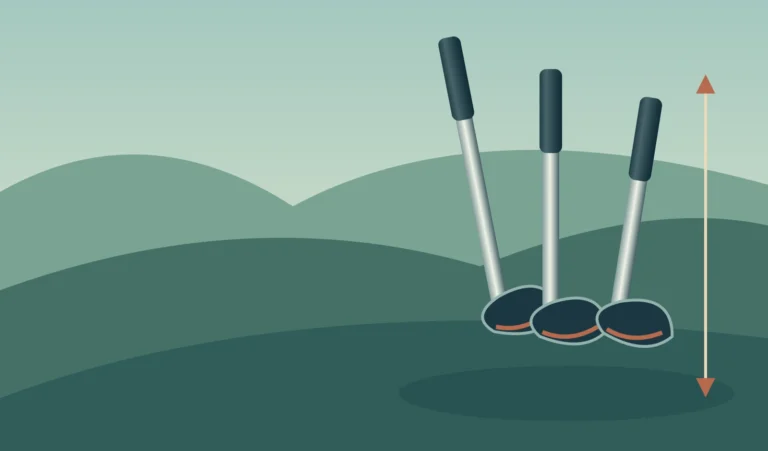
AI illustration of generic equipment, not an exact model or a measured size comparison.
A fairway wood can look reassuring behind the ball and still be awkward for the shot you need. Another can appear compact yet produce the more useful result. Fairway wood head size is worth comparing, but the number in cubic centimetres cannot make that choice for you.
The practical answer is to separate what you see at address from what the head is designed to do, then compare the complete clubs from the lies you actually play. This guide uses manufacturer specifications and an original trial checklist. It does not claim that Karen has tested the models or measured their performance.
This guide contains affiliate links. If you buy through them, Taylor’s Trailblazing Golf may receive a commission at no extra cost to you.
Cubic centimetres describe three-dimensional size. The view behind the ball depends on how that size is shaped.
A tee-only comparison leaves an important question unanswered if most of your shots come from grass.
Different lofts, shafts and lengths can influence a comparison before head size has a chance to explain it.
Use your preferred appearance to make a shortlist, then check the actual contact and flight.
What fairway wood head size tells you—and what it leaves out
When a specification says 186cc, it describes head volume in cubic centimetres. It does not tell you the width of the sole, the height of the face or how much of the crown you will see behind a ball. Those are different descriptions of a three-dimensional object.
Give each feature its own question rather than folding everything into “big” or “small”.
Swipe within the table to see all columns.
| Feature | What it describes | Question to take to a fitting |
|---|---|---|
| Head volume | Overall three-dimensional size, usually stated in cc. | Which exact loft and model does the quoted figure describe? |
| Address footprint | The outline visible when you set the club behind the ball. | Does it look easy to aim and comfortable to use? |
| Face height | The vertical face profile. | How do your usual strike locations relate to this face? |
| Sole geometry | The underside’s width, curvature and other shaping. | How does the club sit and move through your normal grass lies? |
| Mass distribution | Where the weight is positioned within the head. | What flight and miss pattern does the complete design produce for you? |
Moment of inertia, or MOI, describes resistance to rotation; it is a different property from volume. Titleist’s technical explanation connects it to weight distribution and describes forgiveness as the combined effect of several design features, including centre of gravity and face geometry. [1] That is why two clubs with similar dimensions need not respond alike to an off-centre strike.
For a purchase, the useful conclusion is modest: a size specification helps identify a head, but it is not a score for how well you will hit it.

Real specifications show why a size ranking can mislead
These PING G440 examples are manufacturer design specifications checked on 22 November 2026. They show the danger of ranking heads by volume alone. They are not results from a hitting test.
Swipe within the table to see all columns.
| Exact head | Stated loft | Head volume | Manufacturer’s positioning |
|---|---|---|---|
| G440 MAX 3-wood | 15° | 186cc | A versatile option with a taller face and low centre of gravity. [2] |
| G440 LST 3-wood | 15° | 190cc | A lower-spin design aimed particularly at faster swing speeds. [3] |
| G440 SFT 3-wood | 16° | 193cc | A draw-oriented centre-of-gravity arrangement. [4] |
The LST is larger by volume than the MAX, yet its design brief is different. The SFT is larger again, but also has a different stated loft. My interpretation is that these are three complete design choices, not three steps on a simple compact-to-forgiving scale.
Volume can also change within one model family as loft changes. Check the row for the particular club you intend to buy rather than copying the headline specification for the family. A photograph of a 3-wood may also give the wrong impression of a higher-lofted version.
If the MAX fits the role you want to investigate, you can view the G440 MAX at Clubhouse Golf. Check the exact loft, shaft and handedness offered. The comparison above is a reason to trial a suitable model, not a claim that this one is the best choice for every golfer.
Back to top ↑Use appearance to shortlist, then test the trade-off
Confidence is a useful observation when it is specific. “I can see where I want to strike it” is more helpful than “big heads suit my handicap”. The following matrix turns a visual preference into something you can check.
Swipe within the table to see all columns.
| What attracts you | Possible benefit to explore | What must still be checked |
|---|---|---|
| A broad, generous address shape | You may feel more comfortable setting it behind the ball. | Whether that confidence produces repeatable contact and a useful flight from grass. |
| A compact outline | You may find the target line and clubface easier to visualise. | Whether the usual slight misses remain useful; compact does not mean automatically more precise. |
| A shallow-looking face | The head may appear easier to present to a ball on a tight lie. | The actual strike, launch and clearance through the turf—not the impression alone. |
| A deeper-looking face | You may prefer the face presented behind a teed ball. | Whether the same club performs its required job from grass. |
| A sole that sits neatly at address | It may help you settle comfortably into your intended setup. | How it behaves during the shot, including the contact and flight that follow. |
These are trial questions, not universal performance rules. There is no need to choose the shape someone says a golfer of your handicap ought to prefer.
For a documented example of shape being designed separately from a simple size label, Titleist’s 2024 GT2/GT3 launch information describes a shallower GT2 face, a taller GT3 face and changes to heel-to-toe sole curvature. [5] It illustrates how manufacturers work with several dimensions at once; it does not establish which of those heads will suit your swing.
Make the playing surface part of the decision
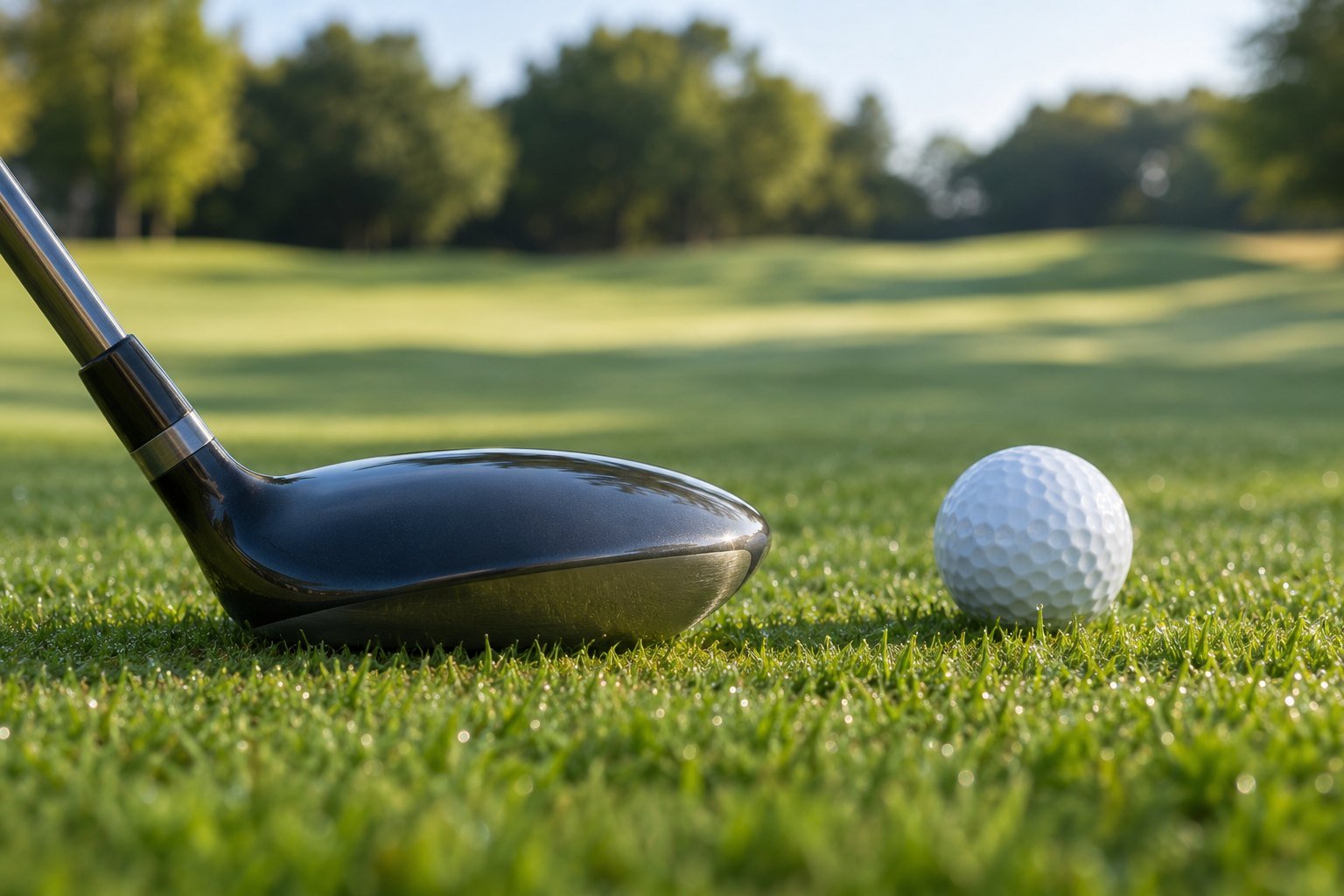
Start with the shot you face most often. A club mainly used from a short tee deserves that trial. A club bought for approaches from the fairway needs to earn its place from grass. If both matter, treat them as separate rows in your notes rather than combining every result into one distance average.
Tight fairway lies
Put both candidates behind comparable lies and note whether you can address the ball comfortably without changing your intended setup to accommodate the head. Then watch the actual contact and flight. A confidence-building crown shape is useful only if the shots support it.
Softer ground and uneven lies
Trial representative conditions when the facility allows it. Notice where the club meets the ground, whether the shot comes out as intended and whether one shape encourages an unhelpful adjustment in your setup. If the problem persists across several heads, ask a PGA professional to assess the delivery rather than buying by sole appearance.
Light rough
Do not assume a smaller head automatically solves grass around the ball. Include only lies from which you would sensibly choose a fairway wood in normal play. If neither club gives a dependable result, choosing a different club for that lie is a better answer than forcing the comparison to produce a winner.
Manufacturers do address the sole directly. Callaway describes the 2025 Elyte’s Step Sole as a design intended to reduce skidding and drag. [6] Treat that as the maker’s design claim, then check how the club works for your delivery and conditions. You can view the Elyte fairway wood at Callaway UK for the model’s details; no claim is made here about its availability in your chosen build.
Back to top ↑Run a fair comparison without pretending it is a laboratory test
The aim is to reduce obvious distractions and learn enough to make a fitting or buying decision. You do not need to calculate a universal score for each head.
- Choose two candidates that could fill the same role. Record the exact head, loft setting, shaft, playing length and grip. Ask the fitter to make the builds reasonably comparable.
- Use the same ball type and target for each comparison. Warm up before recording observations.
- Alternate short blocks rather than hitting all the shots with one club first. For example, try four shots with A, then four with B, and repeat after a break. This is a suggested session structure, not a minimum sample that proves a result.
- Record your ordinary misses as well as the comfortable strikes. If a shot is excluded because the equipment failed to capture it or the setup was interrupted, note why.
- Keep tee and grass results separate. Use a launch monitor with a fitter where available, but retain your notes about lie, strike and how the club sat behind the ball.
- Revisit the preferred head on another occasion if the difference is small or your first session was unusually inconsistent.
A comparison between a low-lofted long-shafted 3-wood and a shorter higher-lofted wood may reveal a better overall option. It does not isolate head size. That is still useful, provided you describe the conclusion honestly: the complete club worked better for the job.
If you are tempted to shorten a club to change its appearance or control, read our guide to fairway wood shaft length before arranging changes. Height alone does not settle the build question.
Keep a small set of notes that can change the choice
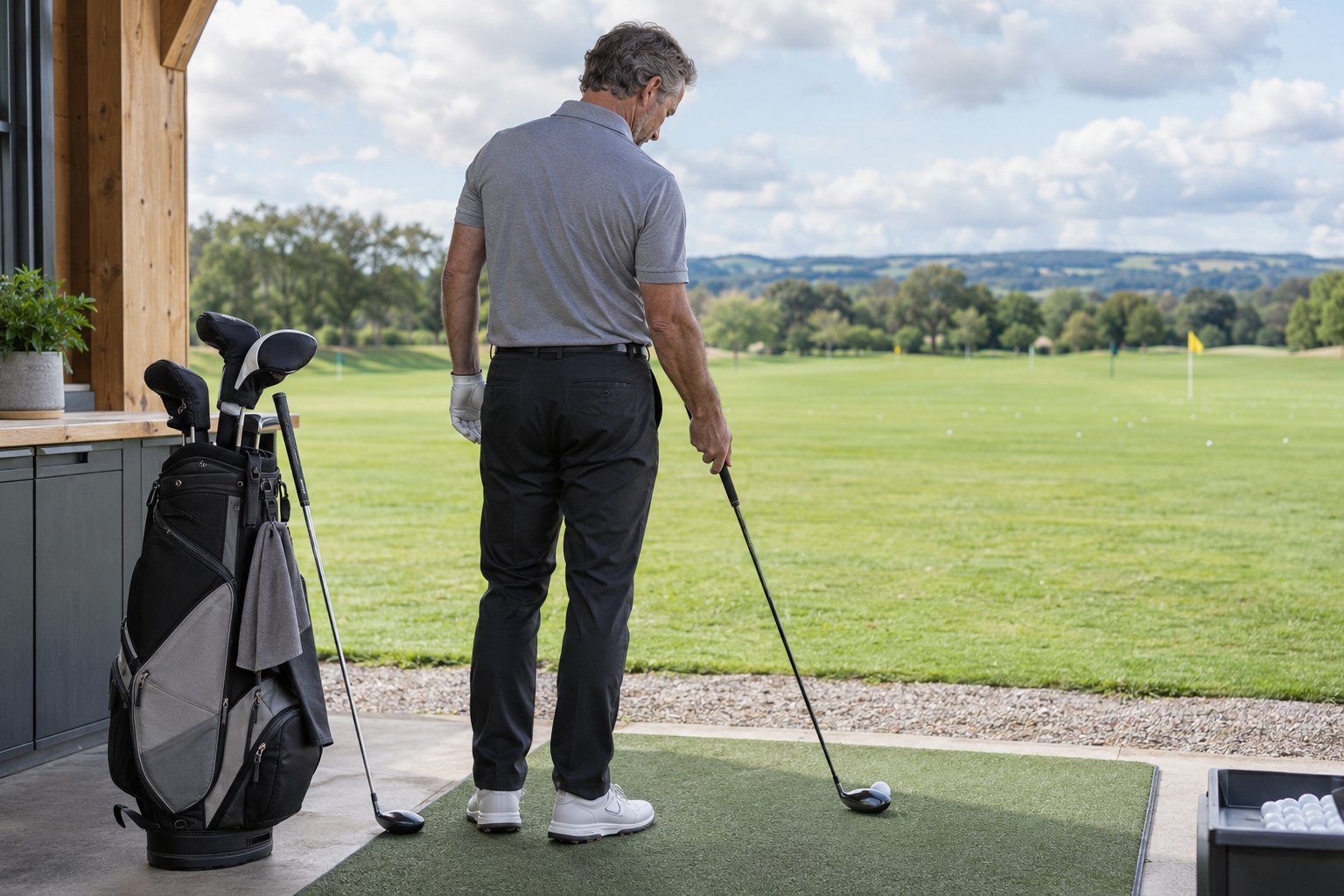
Write one row for each club and lie. Simple descriptions are more useful than a made-up percentage for confidence.
Swipe within the table to see all columns.
| Record | Example of a useful note | How it affects the decision |
|---|---|---|
| Address confidence | “Comfortable on the fairway; hesitant on the short tee.” | Shows which role needs further checking. |
| Strike pattern | Where contact occurred across ordinary shots. | Helps the fitter separate head preference from contact problems. |
| Carry and flight | Your observed carry spread and flight for that lie. | Tests whether the club does the intended job consistently. |
| Direction and miss | The recurring miss, not just the straightest ball. | Shows the result you may have to manage on the course. |
| Turf contact | What you and the fitter observed through comparable grass. | Provides a reason to retain or reject a shape beyond its looks. |
The quoted confidence note is an illustration, not a test finding. Use your own words and measurements. If you only have access to a mat, record that limitation and arrange a grass trial before making a strong claim about turf interaction.
For a club intended mainly as a tee alternative, our mini driver versus fairway wood guide helps define the role before you compare head shapes.

Choose the useful shape, even if it is not the biggest
Prefer the head that looks manageable and produces a repeatable, suitable result from the lie that matters most. If a broad shape gives you confidence and the turf trial supports it, there is no need to choose something smaller to look more accomplished. If the compact option suits you better, its smaller number does not make it the wrong choice.
Keep the current club when the new shape only looks more reassuring and gives no useful improvement in the shots you need. If every candidate struggles from grass, spend the next session investigating contact, loft and build with a professional. Buying a different silhouette alone may leave the same question unanswered.
Does a larger head always offer more forgiveness?
No. Volume does not specify weight distribution, centre of gravity or face design. Use the manufacturer’s full description and your own comparison rather than treating cc as a forgiveness rating. [1]
Can I choose from photographs alone?
Photographs help you identify shapes worth trying. Camera angle, perspective and the club’s position can alter the impression of size. Compare actual heads in your normal address position when possible.
Is there an ideal head size for a particular handicap?
This guide does not prescribe one. Start with the shot, the build and your observed results. A handicap number does not describe your preferred view behind the ball or your pattern of contact with a fairway wood.
Explore other fitting questions in our Woods & Hybrids guides. The purpose of the comparison is to leave you with a clearer choice, including the option to keep what already works.
Back to top ↑Sources and further reading
Sources checked on 22 November 2026. Product descriptions are attributed to their makers; the comparison methods and buying judgements are editorial guidance.
Illustrations in this article were created for Taylor’s Trailblazing Golf. Third-party photographs, where used, are credited beside the image or in the source list.