Golf Polo Fabrics: Cotton vs Performance Materials
Read the fibre, the knit and the finish separately—then choose the shirt that fits your round and your washing routine.
Compare the stated fabric and care information alongside the fit you prefer. AI-created category illustrations show generic clothing and equipment, not the named products or a product test.
Golf polo fabrics are easier to compare when you stop treating “cotton” and “performance” as opposite materials. Cotton names a fibre. Performance is a broad description that may refer to moisture management, stretch or a finish. Piqué describes a textured knit and appears in both cotton and polyester shirts.
The useful decision is about the complete garment: what it contains, how it is made, how it moves and what care it needs. This guide compares documented specifications and exact UK listings checked on 24 November 2026. It does not rank the shirts by an unperformed drying, comfort or on-course test.
This guide contains affiliate links. If you buy through them, Taylor’s Trailblazing Golf may receive a commission at no extra cost to you.
Read every percentage. A blend is a specific recipe, not a separate quality grade.
Piqué and jersey describe the knitted fabric. They do not identify its fibre.
Look for a named, relevant treatment and its care requirements.
A useful fabric still needs room at the shoulders, sleeve and hem.
Compare golf polo fabrics on the same terms
Start with the composition label rather than a shop’s filter. These three men’s models are specification examples, not winners of a comparative test; the same reading method applies to other cuts and sizes.
Scroll the table horizontally on a small screen to see every column.
| Exact example | Published fabric information | What the information settles |
|---|---|---|
| Glenmuir Tarth | 100% double mercerised cotton. [1] | A cotton example with a stated finishing process. It does not establish drying speed against another shirt. |
| Glenmuir Deacon | 100% performance polyester piqué. [2] | Piqué can be polyester. The word does not mean cotton, and the fibre list does not contain elastane. |
| FootJoy Stretch Pique Solid, 91826 | 96% polyester / 4% elastane; the maker identifies ProDry fabrication. [3] | A specified stretch blend with a moisture-management claim. The percentages do not measure room across your shoulders. |
Keep four questions separate: fibre is what the yarn contains; construction is how the fabric is knitted; finish is a treatment or processing step; cut is the shape of the garment. A shopper can like one polyester piqué and dislike another without contradicting the composition labels.
There is a technical reason to avoid a fibre-only verdict. A 2023 primary study of cotton/antistatic-polyester knits examined knit pattern, fabric side, mixture and treatment when assessing moisture and air-related properties. Those are specialised fabrics, not the three polos above. The study supports asking more detailed questions; it does not supply a retail polo league table. [4]
Back to guide contents ↑Choose cotton for the shirt you actually like
If you enjoy a particular cotton polo’s hand feel, collar and appearance, that is a useful reason to shortlist it. Handle the garment if possible. Compare the weight and surface with a shirt you already wear happily, rather than assuming that all cotton polos will feel alike.
The Tarth example is double mercerised cotton; Glenmuir describes the processing in terms of a smooth finish. That is a more precise description than simply “natural fabric”. It is not evidence that this shirt is cooler, more durable or quicker to dry than every synthetic alternative. [1]
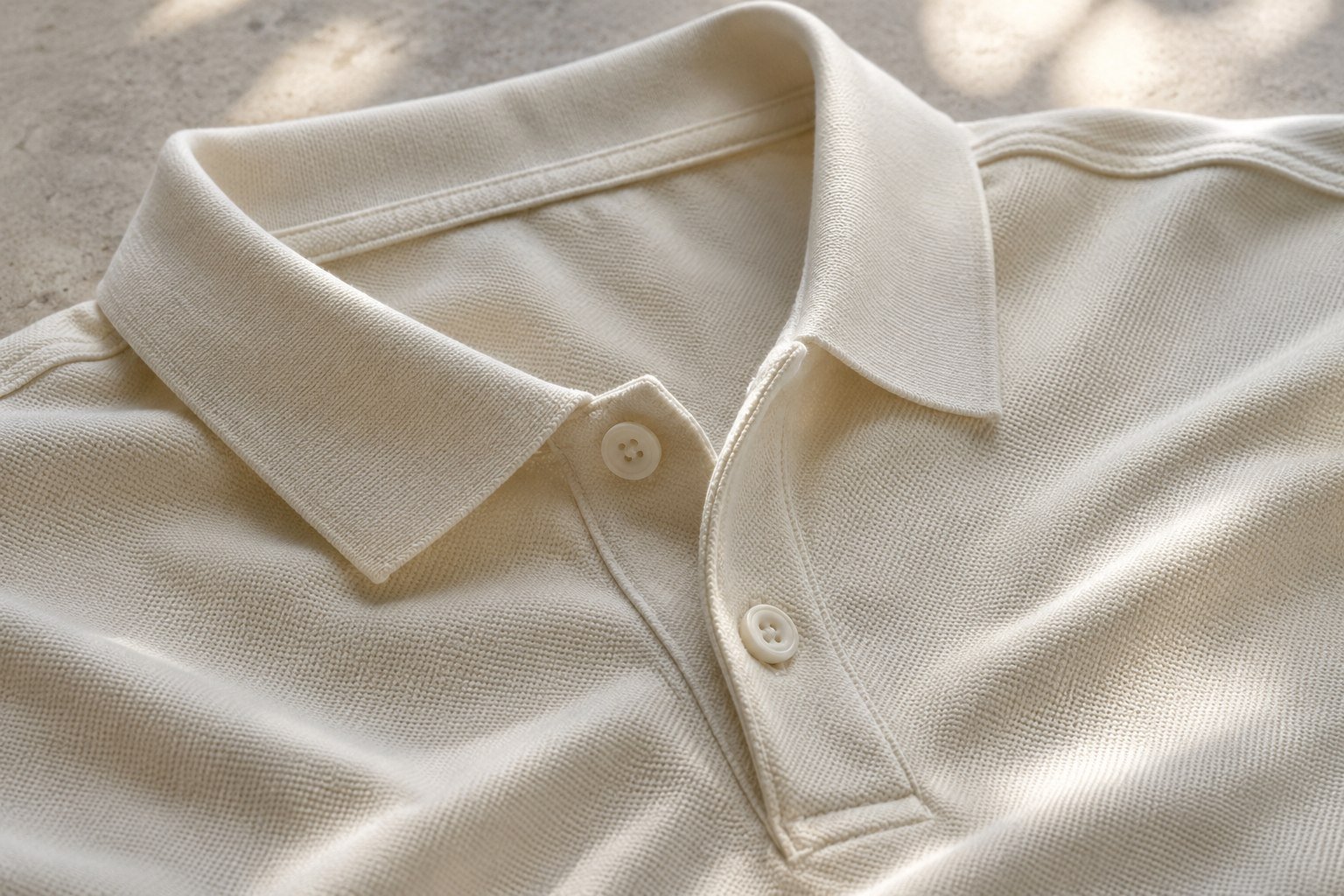
For a round followed by lunch, you may value the way a polo looks throughout the day. For repeated wear with little washing time, drying and care may matter more. Treat those as your priorities, then check the actual garment. A heavy fabric, a close cut or a care instruction you cannot follow can rule out an otherwise appealing shirt.
Cotton can also be engineered
CottonWorks describes TransDRY as a moisture-management technology for cotton. This is an industry supplier’s technology description, not independent evidence that cotton beats polyester. It does establish why “cotton” and “performance” are not mutually exclusive. None of the polos in this guide is claimed to use that treatment. [5]
Ask what “performance” adds to this garment
A useful product description should tell you what is doing the work. The Deacon is a polyester piqué with a manufacturer-described wicking function. The FootJoy example adds a declared 4% elastane and names its ProDry fabric technology. These are specific attributes to investigate, rather than a reason to treat both shirts as interchangeable. [2] [3]
Scroll the table horizontally on a small screen to see every column.
| Claim on the page | Question to ask | Evidence that would help |
|---|---|---|
| Moisture wicking | Is the claim specific to this model and fabric? | A named technology, explanation or relevant test—not an assumption based on the brand. |
| Quick drying | Compared with what, and under which conditions? | A stated method or useful experience with your own existing garment. An unspecified claim cannot settle an overnight laundry plan. |
| Stretch | Does the fabric and cut permit your normal movements? | The fibre list plus an ordinary try-on. The elastane percentage alone is not a measure of mobility. |
| Easy care | Can you follow the complete washing and drying label? | The actual garment label, including restrictions on heat, bleach, ironing and drying. |
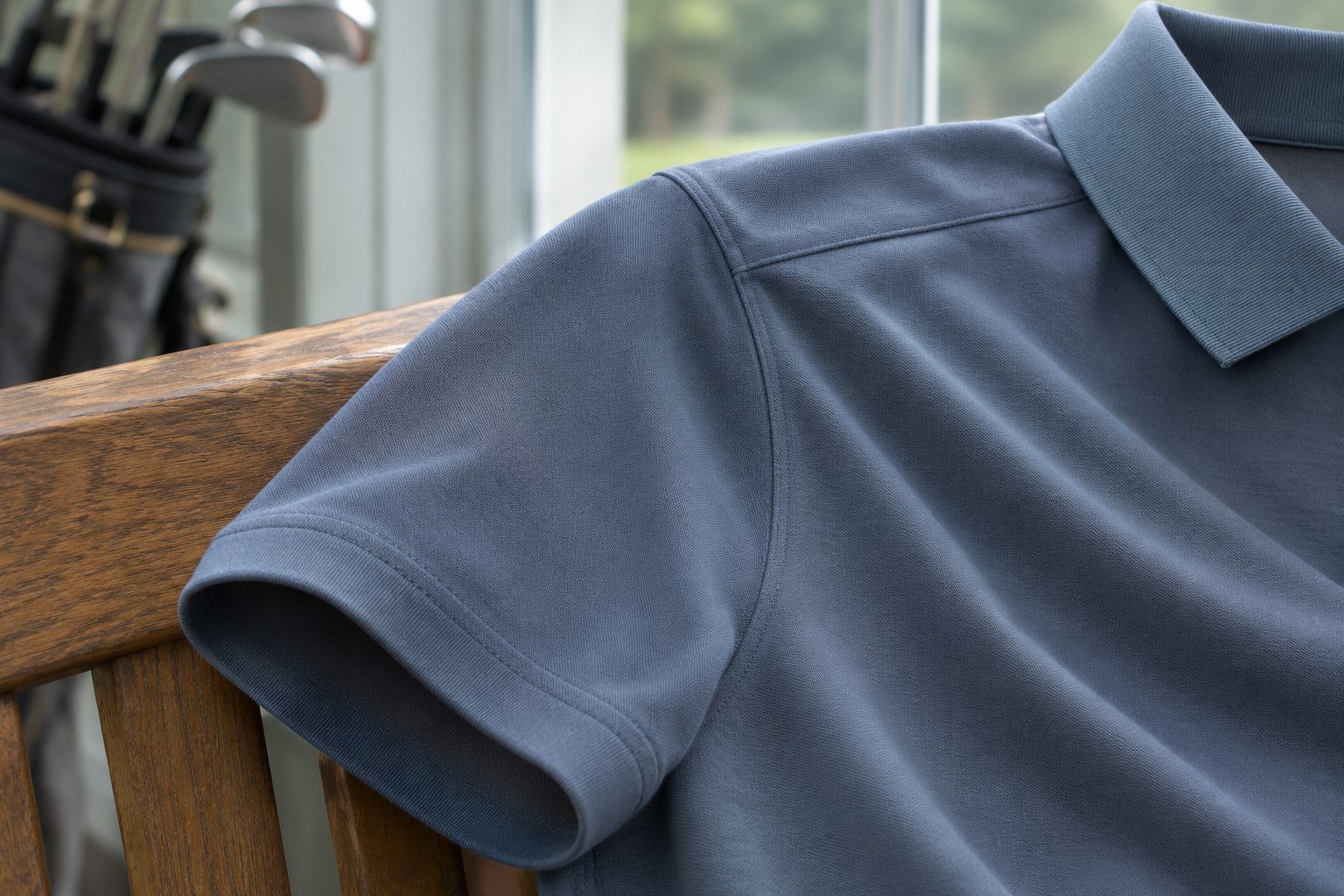
Be equally careful with odour, sun-protection and environmental claims. Assess the stated claim for the exact garment if it matters to your decision; do not transfer it to a whole fibre family. Recycled content, for example, is not itself a measurement of stretch or cooling. There is no need to pay extra for a feature that does not solve a problem in your own clothing routine.
Back to guide contents ↑Check movement before committing to a fabric
Use a well-fitting polo as a reference, and distinguish body measurements from measurements of the garment laid flat. Our golf clothing size-chart guide explains that comparison. A familiar letter size is only a starting point when the brand, cut or fabric changes.
- Start upright. Check the collar, shoulder seams and sleeve openings. Decide whether the shirt sits as you want without constant adjustment.
- Take your normal address position. Bend as you would over a ball, with empty hands if space is limited. Look for pulling across the upper back and a hem that rises beyond your preferred coverage.
- Turn gently through a comfortable movement. Check whether the sleeve or side seam catches. You do not need a club or a full indoor swing.
- Try the intended outfit. Check a tucked hem with your usual waistband, and add the midlayer you expect to wear. A polo should work in the combination you actually use.
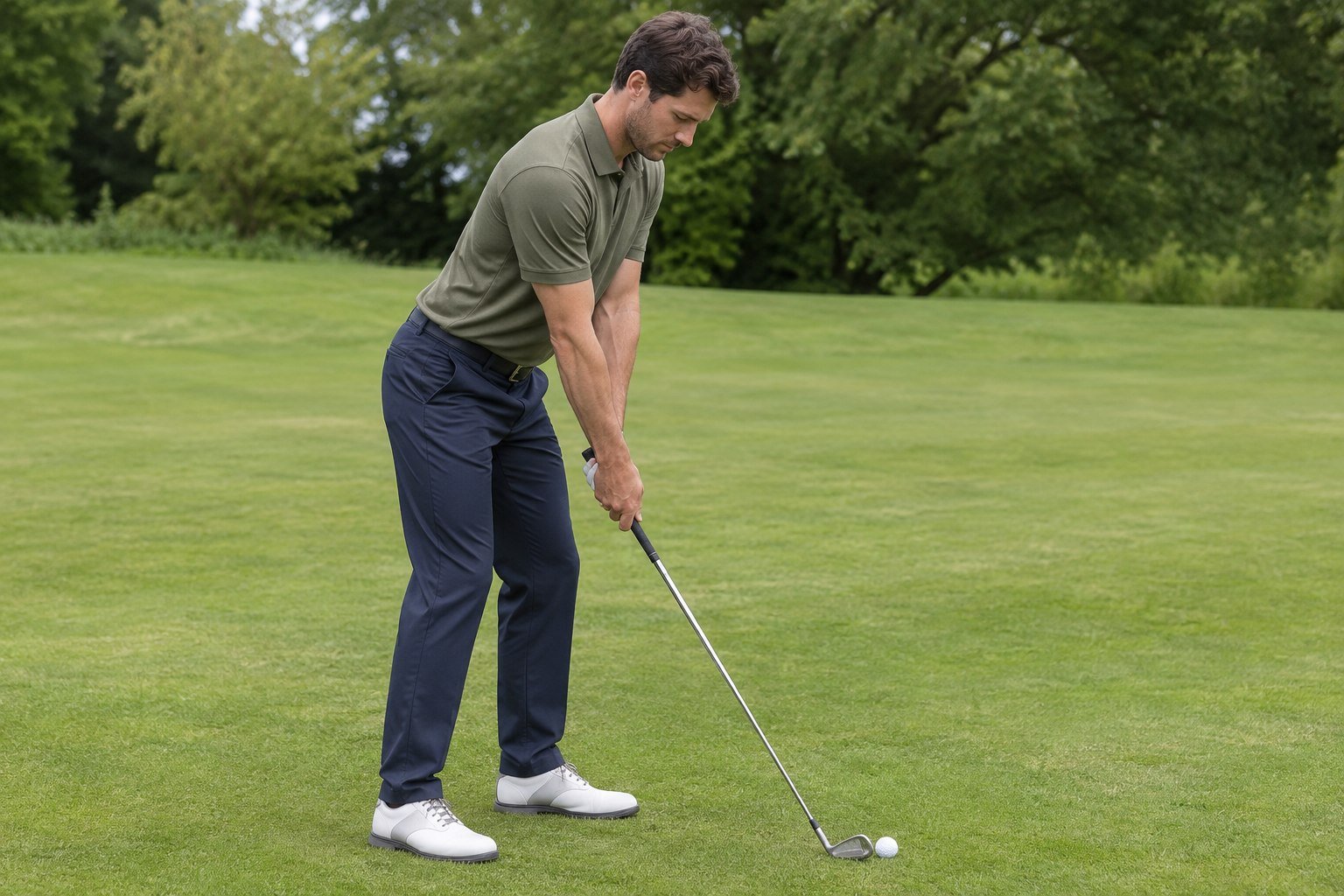
A more elastic fabric can still be cut too tightly. A shirt with no elastane can still provide enough room. Choose the cut that passes your check rather than sizing down simply because the label promises stretch. For an online order, make this a clean indoor assessment while preserving the seller’s return conditions.
Back to guide contents ↑Compare the price of a suitable shirt
The following are exact UK shopping examples, chosen because their retailer descriptions can be matched to the fabric examples above. They illustrate two specifications; they are not a cheapest-price search or a tested performance ranking.
Scroll the table horizontally on a small screen to see every column.
| Listing | Displayed price | Useful reason to consider it |
|---|---|---|
| Glenmuir Deacon, White MSP7373-DEA | £49.99 [6] | For someone seeking a polyester piqué without elastane in the published composition. Check the available size and cut. |
| FootJoy Stretch Pique Solid, Light Blue 91826 | £44.49 [7] | For someone seeking a specified polyester/elastane blend. Compare garment fit rather than assuming it is more comfortable. |
These are displayed item prices, before any delivery charge that applies to your address. Recheck the selected colour, size, returns and checkout total. The £5.50 difference is useful only if both garments meet your requirements; the cheaper unsuitable polo is still the wrong purchase.
Compare the exact specifications
Use the Deacon listing for the polyester piqué example and the FootJoy listing for the 96/4 blend. Keep your size measurements beside the product page.
The Tarth is included as a cotton specification example. Its manufacturer source is linked below; a price for a different cotton shirt would not make this comparison more useful.
Back to guide contents ↑Let the care label shape the shortlist
Check care before buying if you have a fixed laundry routine. Glenmuir’s Tarth and Deacon pages both state machine washing at 30°C. FootJoy describes its listed fabric as machine washable, but that page is not a substitute for the complete label on the garment you receive. [1] [2] [3]
Do not assume that all three allow the same drying method, iron setting or fabric conditioner. Use the actual label and the maker’s instructions for the exact shirt. If a restriction is unclear, resolve it before treating the garment.
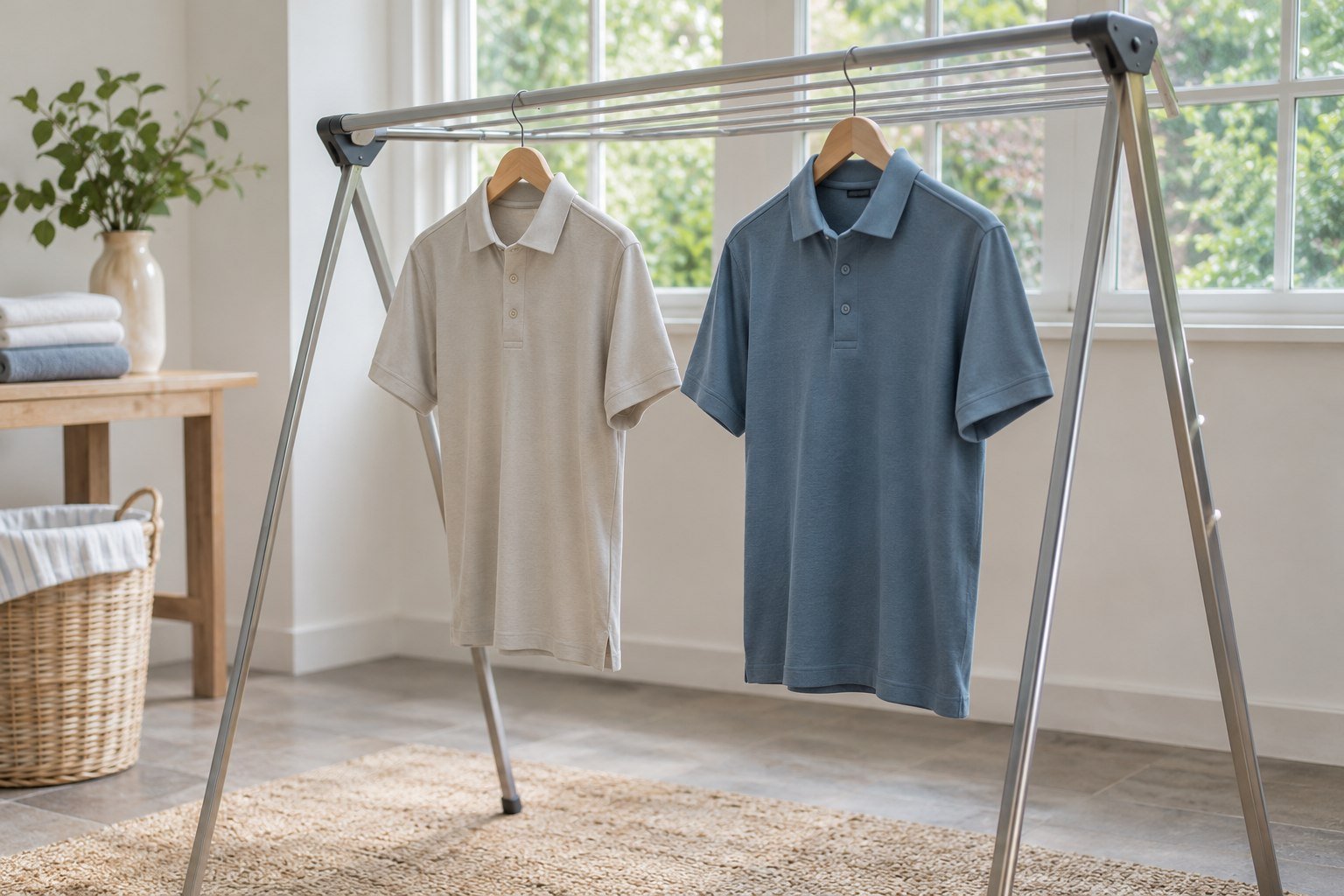
Once you own and have washed a shirt, keep a brief record of how it works in your routine: drying location, time until wearable, collar shape, fit and any persistent discomfort. That is evidence about your garment in your conditions. It is more useful for a repeat purchase than a general claim that one fibre is always better, but it should not be presented as a controlled material test.
If your current polo still fits, feels comfortable and suits your course, a new fabric label is not a reason to replace it. Buy to address an identified problem, such as an unsuitable cut or an impractical care routine.
Back to guide contents ↑Keep a short record of what works
Before ordering, write down the decision in a few lines. This prevents a sale price or a broad fabric claim from replacing the requirements that mattered at the start.
Scroll the table horizontally on a small screen to see every column.
| Record | Your useful answer |
|---|---|
| Main use | The round, practice session or course-and-clubhouse day you are dressing for. |
| Exact garment | Brand, model, style code, colour, size and complete fibre percentages. |
| Required benefit | The specific fit, feel, care or documented fabric feature you need. |
| Fit evidence | Measurements compared with an existing shirt, plus shoulder, sleeve and hem checks. |
| Care and cost | Full label instructions, delivered price and return conditions. |
| Reason to stop | An unresolved specification, uncomfortable fit or care requirement you cannot meet. |
My recommendation: shortlist by exact specification, choose by the garment’s fit and your priorities, and buy one suitable polo before building a larger rotation. Cotton remains a reasonable choice when you like the actual shirt; a performance blend is useful when its documented features meet your needs. Keep the evidence at garment level, and let a successful existing polo set the standard a new purchase must improve on.
Back to guide contents ↑Sources
- Glenmuir — Tarth mercerised cotton golf polo
Manufacturer: 100% double mercerised cotton and machine washing at 30°C. Checked 24 November 2026. - Glenmuir — Deacon performance piqué golf polo
Manufacturer: 100% polyester piqué, moisture-wicking description and 30°C machine-wash instruction. Checked 24 November 2026. - FootJoy UK — Stretch Pique Solid, style 91826
Light Blue model: 96% polyester / 4% elastane, ProDry description and machine-washable fabric. Checked 24 November 2026. - Asfand & Daukantienė — moisture management and air permeability of cotton/antistatic polyester knitted fabrics
Primary research, 2023. Abstract describes study variables including knit pattern, fibre mixture, fabric side and treatment. Used for scope, not a performance ranking of these retail polos. Checked 24 November 2026. - CottonWorks — TransDRY technology
Cotton industry technology description, checked 24 November 2026. Used to illustrate moisture-management treatments for cotton; no named polo here is claimed to use this technology. - Clubhouse Golf — Glenmuir Deacon, White, MSP7373-DEA
Exact UK listing and £49.99 displayed price checked 24 November 2026. Confirm the selected size and final delivery charge. - Clubhouse Golf — FootJoy Stretch Pique Solid, Light Blue, 91826
Exact UK listing and £44.49 displayed price checked 24 November 2026. Confirm the selected size and final delivery charge.
Illustrations in this article were created for Taylor’s Trailblazing Golf. Third-party photographs, where used, are credited beside the image or in the source list.