Golf Club Rust: Cosmetic Spots vs Potential Damage
Start with the finish the manufacturer intended, then decide what the mark requires.
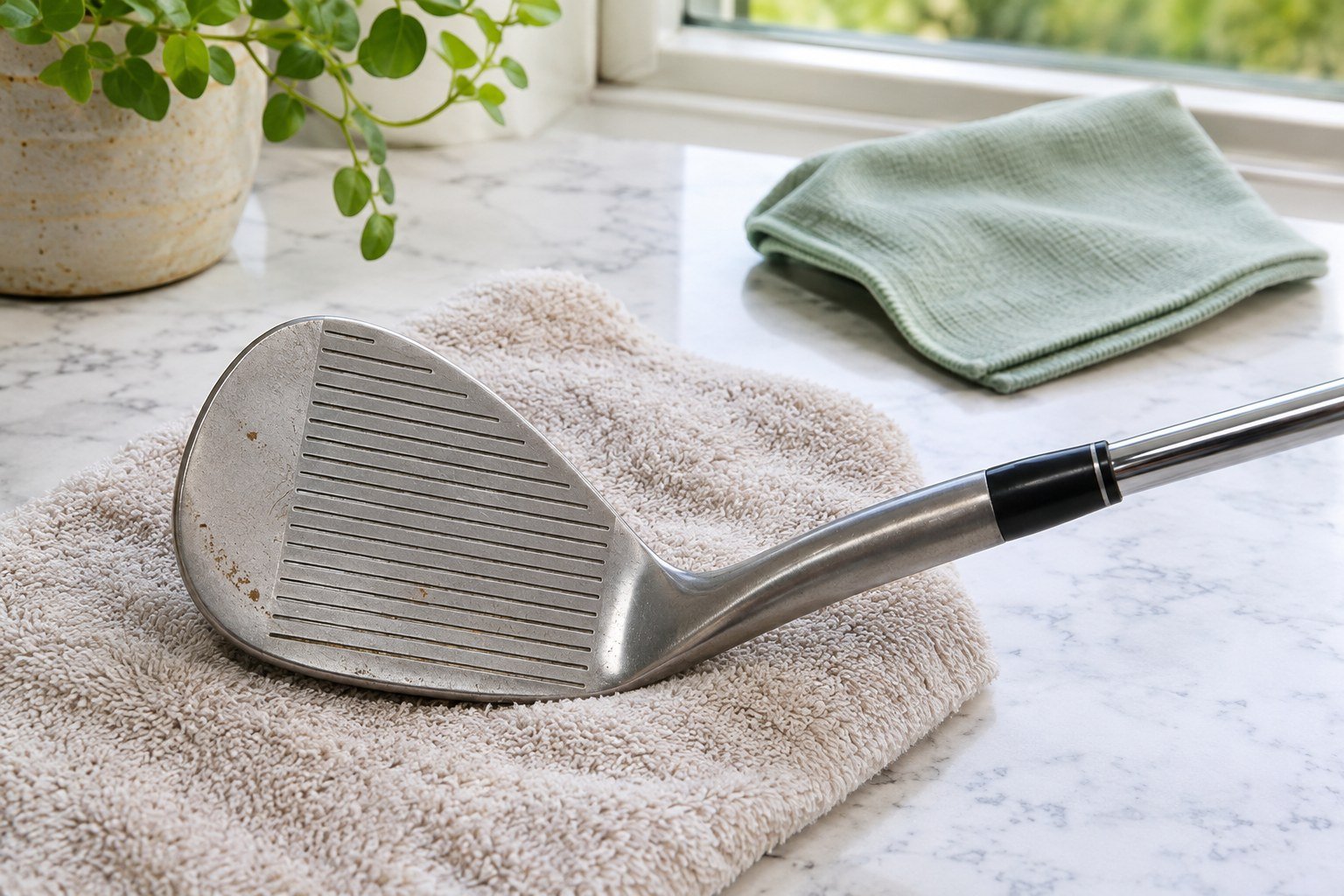
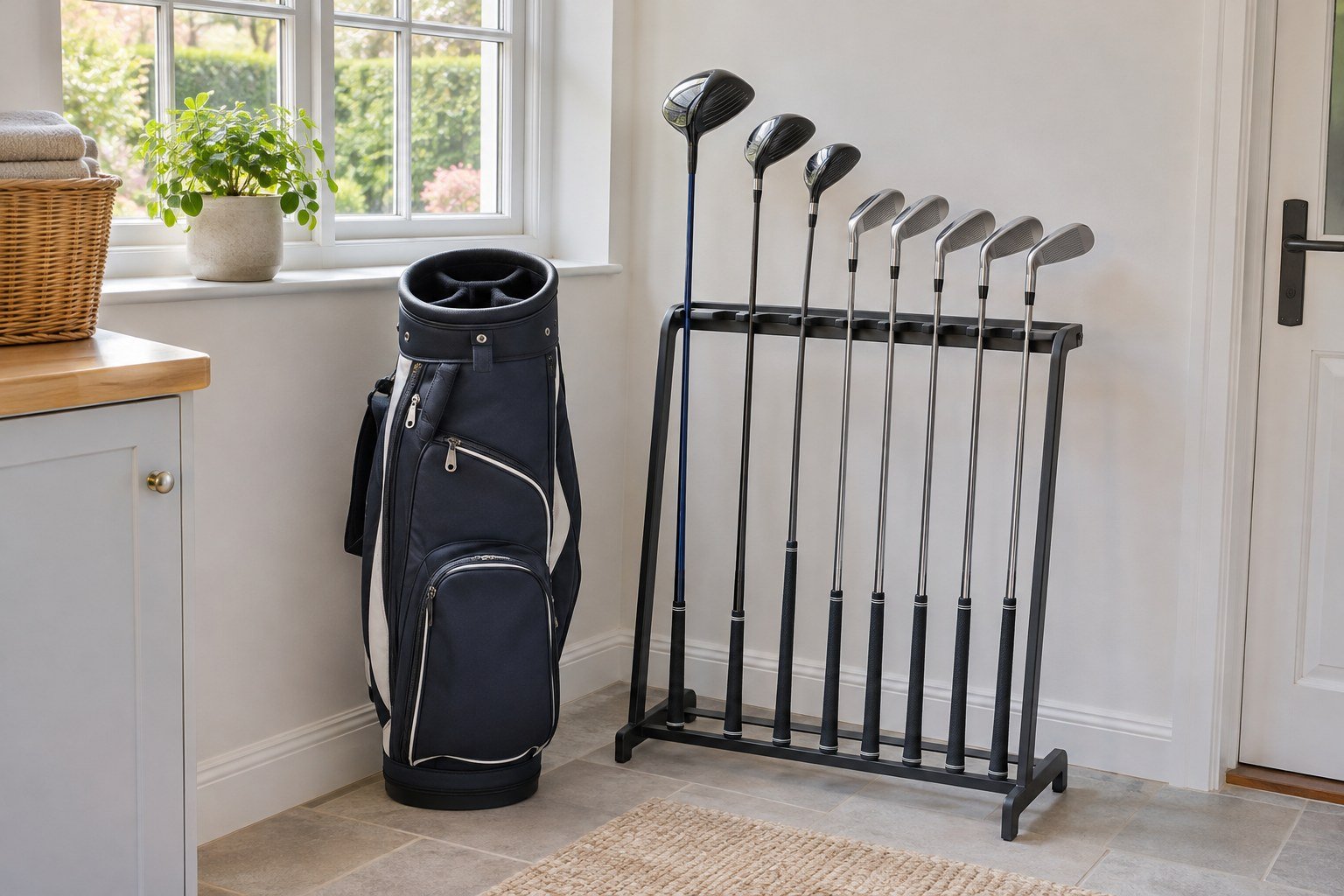
Identify the finish and the marked part before deciding what the colour means. Generic AI illustration; not a photograph of a named model.
Golf club rust means little without knowing where the mark is and what the club was designed to look like. The same colour on a raw wedge face and on a steel shaft raises different questions. Cleaning until everything shines can also remove useful evidence before you have identified the problem.
This guide helps you prepare a finish and condition record, choose an appropriate next step and avoid replacing sound equipment purely because its appearance has changed. It cannot establish the depth of corrosion or the safety of a club from a photograph.
This is a research-led guide. How we assess golf equipment explains the evidence behind our recommendations.
This guide contains affiliate links. If you buy through them, Taylor’s Trailblazing Golf may earn a commission at no extra cost to you.
Compare the mark with the maker’s description of that exact finish and part.
Identify the club before applying a rust treatment or buying a replacement.
Set the club aside and arrange an assessment before using it again.
Golf club rust: identify the intended finish first
Read the model, generation and finish from your order record or the manufacturer’s product information. “Raw”, “raw face”, “chrome” and a dark colour name are not interchangeable descriptions. If a club has been refinished, the original catalogue may no longer describe its surface.
Three maker examples show why this identification matters:
| Exact example | What the manufacturer establishes | Question for your club |
|---|---|---|
| Vokey SM11, Raw finish | Vokey expressly says this finish will oxidise or rust. | Does the order actually identify Raw, rather than another SM11 finish? [1] |
| TaylorMade MG5 | The 2025 specification describes a RAW face alongside Satin Chrome and Charcoal finish options. | Which part is described as raw? Do not extend a face description to the shaft. [2] |
| Scotty Cameron Pro Platinum | Titleist describes plating that protects carbon steel, while warning that dings can rust. | Is the mark associated with damage to that finish? [3] |
A useful note is specific: “SM11, Raw, brown change on the head; shaft condition recorded separately.” “It is a rusty wedge” leaves the most important fact unresolved. Likewise, avoid identifying an unknown black shaft or head by colour alone.
Expected oxidation explains an appearance change in the named finish. It does not explain a new dent, an uncertain joint or damage elsewhere on the club. Keep those observations separate when asking for advice.
Record the location before deciding what to clean
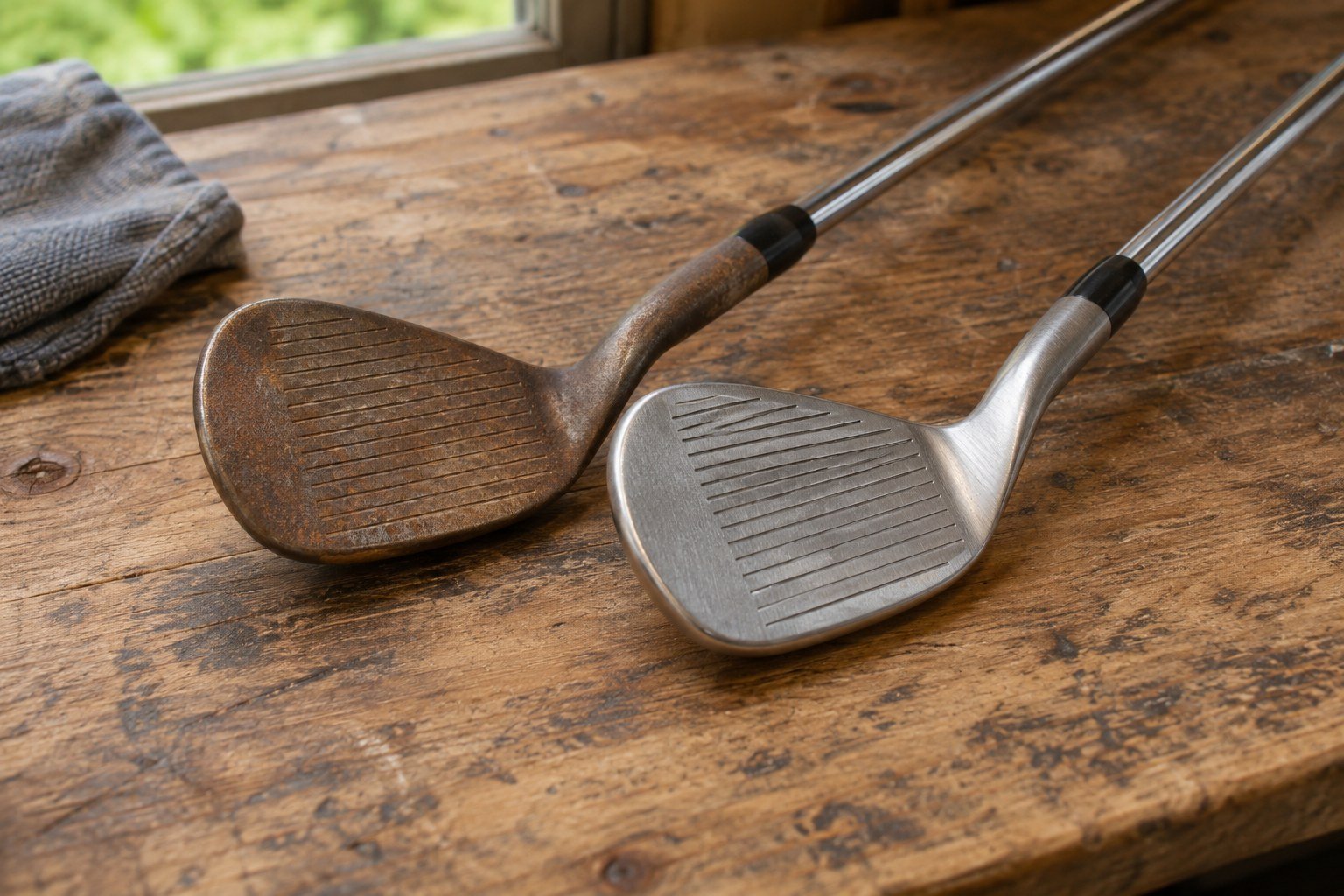
Use good light and look at the whole club before concentrating on the most obvious patch. Photograph the mark as found, then record whether it is on the face, sole, back of the head, hosel area or exposed shaft. Include a wider photograph that shows which part you mean.
For a steel shaft, a clean exterior cannot settle the internal condition. Nippon Shaft warns that retained moisture can cause rust inside and reduce durability; its FAQ recommends internal inspection when grips are changed. Ask a professional to perform that check. [4]
Make a short record with five entries:
- The exact club and finish, including anything you cannot identify.
- The location of each mark, rather than one condition label for the whole club.
- When you first noticed it and whether you have an earlier photograph.
- Any remembered impact, prolonged damp storage or previous refinishing.
- What has already been used on it, including a cleaner or polish.
This is an evidence record, not a home grading system. Avoid estimating “percentage damage”, remaining life or a safe rust depth. The useful result is a clear description for the maker or repairer.
Do not slide a hand along a suspect shaft. Nippon warns against touching damaged carbon fibres or sharp fractures. [5]
Choose the next action from the part and the uncertainty
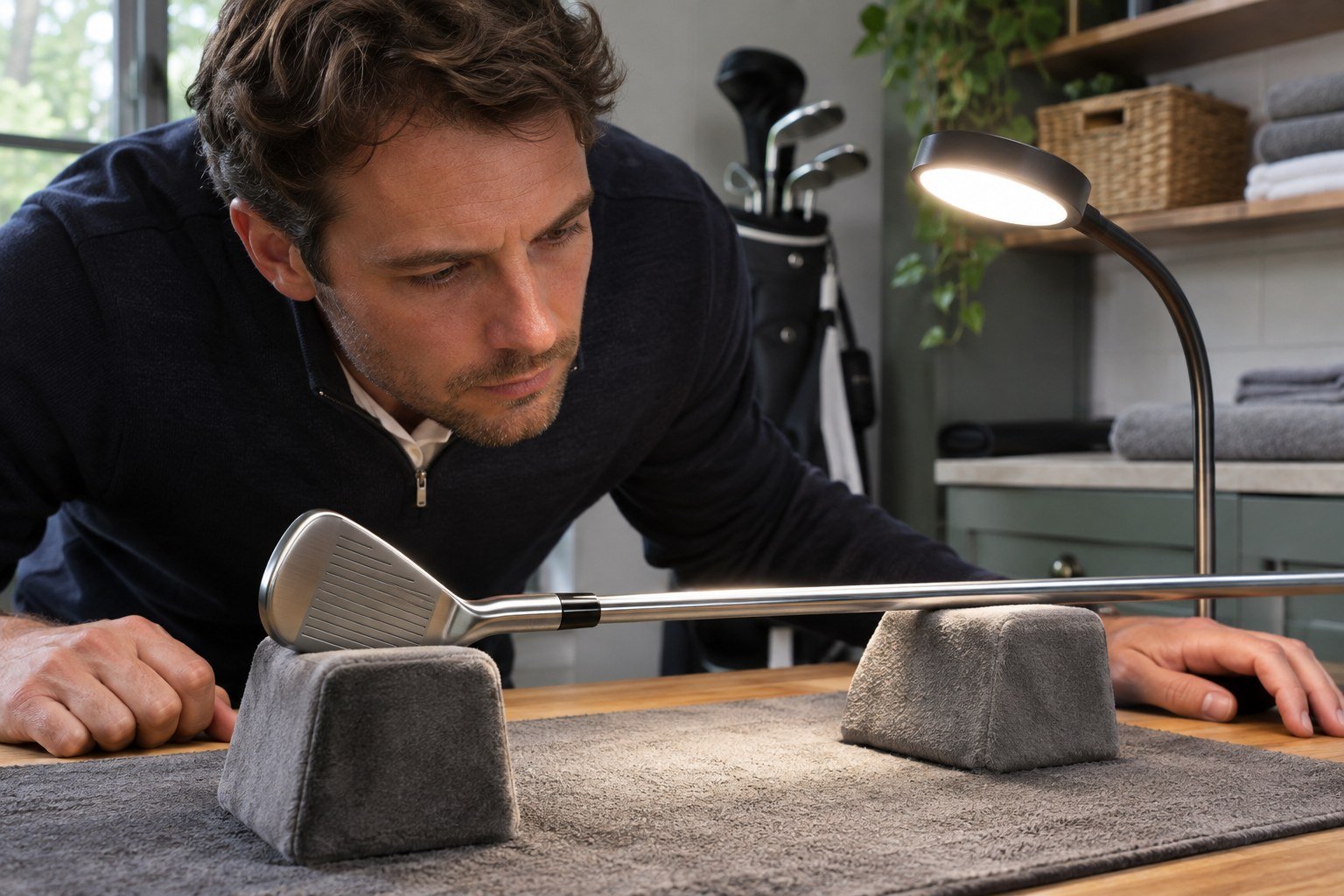
Use the following checklist to decide what to do with the club. It deliberately contains no “safe because the patch is small” threshold. A finish description and a structural assessment answer different questions.
| What you have established | Next step | Avoid assuming |
|---|---|---|
| The maker specifies a raw head or face | Follow that finish’s care instructions; record any separate concern. | That expected oxidation explains every mark on the assembled club. [1] |
| A mark appears at a damaged plated head surface | Ask about the exact finish and whether inspection or approved care is appropriate. | That a small rusty ding means the whole set is finished. [3] |
| Rust is visible on a steel shaft | Withhold that club from play pending assessment. | That polishing the outside establishes the condition inside. [4] |
| A coated shaft has a new scratch or peeling area | Identify the shaft material and ask its maker or retailer about the damage. | That a dark coating proves it is graphite. [5] |
| There is a crack, distortion or uncertain head-to-shaft connection | Stop using the club and have the assembly inspected. | That a rust-removal product addresses the underlying concern. [5] |
Two similar-looking marks, different questions
Imagine an owner who can confirm that a wedge was ordered in Raw and sees a gradual colour change across its head. The first question is whether the appearance matches that intended finish. Now imagine a second owner seeing a new rusty area on an iron shaft after damp storage. The wedge’s finish description supplies no answer about that shaft. These are illustrative situations, not assessments of photographed clubs.
If inspection finds a problem, ask which component is affected and what work is appropriate. For the broader decision about one repair versus changing several irons, use the guide to iron wear, repair and replacement. A shopping decision should follow the assessment.
Back to top ↑Clean only enough to inspect the known finish
Begin with the exact maker’s care instructions. For its clubs, Titleist permits mild soap and water followed by a soft cotton cloth; clubs and covers should be fully dry before storage. [3]
Use that as a model-specific instruction, not permission to immerse every head, shaft and joint. If the construction or finish is unknown, pause for advice. A rag that has collected grit is also a poor inspection aid: use a clean cloth so you can see what you have actually removed.
Nippon’s painted-steel guidance calls for a soft, dry cloth and excludes abrasives, solvents and steel wool. It also warns that friction or impact can damage the paint and lead to rusting. [5]
Keep rust removal separate from removing loose dirt. Do not start with sandpaper, a wire wheel, household acid or an aggressive polishing compound. If normal approved care leaves the mark, photograph the result and ask what it is before trying a stronger treatment. There is no requirement to make an intentionally aged finish look new.
Nor does a brighter surface prove that a club is ready for use. If a shaft or joint concern prompted the inspection, that concern remains until it has been assessed. Avoid repeatedly cleaning the same doubtful area while waiting for an answer.
Reduce damp storage, then keep a useful condition record
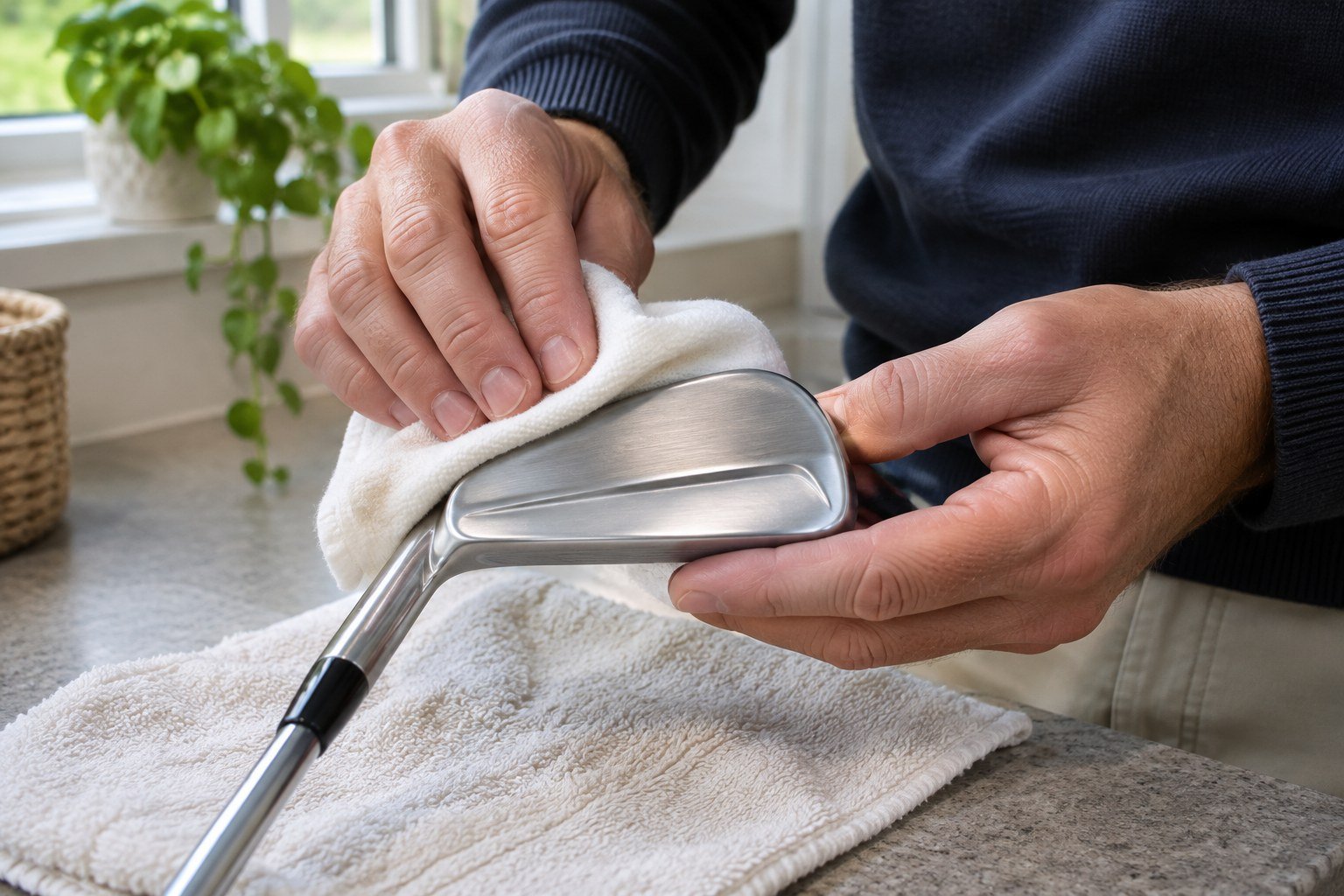
Mizuno’s forged-iron care guidance says to remove iron headcovers after play and keep cavities and grooves dry with a soft towel. Its instructions also advise against storage in extreme temperatures. [6]
Build a routine around the point where the equipment is put away. Take a wet towel out of the bag, check whether the cover you intend to use is dry and leave time to finish drying the club. Keep the observation photographs with the model record so a later change is easier to describe.
A clean cloth you already own may be sufficient. If you need a separate bag towel, the Titleist Players Terry towel in Navy/White at Clubhouse Golf is the verified TA22PTT-4 option. Titleist describes terry material; the retailer lists a bag-attachment loop. The purchase adds a drying cloth, not a treatment for existing corrosion. [7][8]
Close the inspection with a specific answer
Ask the assessor to state what the mark represents, which part they examined and what care or further work they recommend. Keep that answer with the photographs. If you are told that the condition cannot be established remotely, arrange the physical inspection rather than collecting more reassuring opinions about the same picture.
The useful outcome may be continued care of a confirmed raw finish, an assessment of a plated surface, or work on one affected component. Let that finding determine the next step.
Frequently asked questions
What if the finish name is missing from my receipt?
Send the manufacturer the full model, any serial information and clear photographs, and explain that the finish is unconfirmed. Include any refinishing history. Wait for an identification before choosing a treatment; a dark colour or a seller’s use of “raw” is insufficient.
If the rust disappears after cleaning, is the club definitely sound?
No. A changed surface does not establish internal condition. Nippon’s steel-shaft guidance specifically warns about internal rust despite a clean exterior. Resolve any original shaft concern before putting the club back into use. [4]
Sources and checks
Sources consulted on 24 November 2026. Manufacturer and retailer descriptions are attributed claims; illustrations do not show tested products. Recheck current care instructions, model and finish compatibility, rules and retailer details before use or purchase.
- Vokey — SM11 wedges: Raw-finish oxidation notice
- TaylorMade — MG5 specification sheet, 2025
- Titleist UK — Warranty, care and repair
- Nippon Shaft — FAQ: steel-shaft condition and internal rust
- Nippon Shaft — Handling precautions and painted-steel care
- Mizuno UK — Golf product care: forged irons
- Titleist UK — Players Terry towel, Navy, TA22PTT-4
- Clubhouse Golf — Players Terry towel, Navy/White, TA22PTT-4
Illustrations in this article were created for Taylor’s Trailblazing Golf. Third-party photographs, where used, are credited beside the image or in the source list.