Golf Equipment Warranties: Understanding Common Exclusions
Read the covered fault, component and conditions before relying on the number of years.
AI illustration. No pictured item is an actual warranty claim or a specific model test.
Golf equipment warranties can sound reassuring until a claim turns on one line about wear, a separate charger period or who originally bought the item. The useful question is what happens to your particular club, shoe, bag or device when a particular problem occurs.
This research-led guide compares published UK-facing terms and explains how to keep a claim clear. Manufacturer guarantees add to the statutory rights that apply to qualifying consumer purchases; they do not replace them.[1] The legal discussion concerns UK consumer purchases from traders. A private sale, business purchase or overseas contract can need a different assessment.
A trolley, battery and charger can have different periods and conditions.
Save the dated terms, invoice, serial number and any registration confirmation.
Give dates, photographs and use history without guessing the failure’s cause.
A manufacturer guarantee and a retailer’s legal duties are separate questions.
Golf equipment warranties and retailer rights have different jobs
Start by identifying who made the promise and which problem you want resolved. A manufacturer’s guarantee can be a useful route to repair, while a claim against the retailer depends on the sale and the applicable consumer law. You do not have to assume that whichever organisation answers first has considered both routes.
Swipe within the table to see all columns.
| Route | Question it answers | What to read |
|---|---|---|
| Manufacturer or retailer guarantee | Does this promised cover apply to this product, claimant and fault? | Guarantor, period, exclusions, territory and remedy. |
| Statutory claim against the seller | Did the goods meet the legal requirements of the sale? | Purchase evidence, description, condition, timing and the appropriate remedy. |
| Change-of-mind return | Can I return suitable, non-faulty goods because I no longer want them? | How the purchase was made, applicable cancellation rights and the retailer’s additional policy. |
Section 30 of the Consumer Rights Act requires a qualifying free guarantee to explain its terms, claim particulars, duration and territory, and to say statutory rights are unaffected. Ask for the actual written guarantee if a listing gives only a headline number of years.[1]
GOV.UK explains that a retailer’s responsibility for faulty goods can continue after a warranty expires. It also distinguishes in-store change-of-mind returns from distance-selling cancellation rights. A used pair of shoes that feels unsuitable, a manufacturing defect and a cancelled online order therefore require different questions.[2]
A long warranty is useful only if it covers the event you care about. It does not establish a guaranteed service life, unconditional accidental-damage cover or a right to receive the latest model whenever something goes wrong.
Back to top ↑Translate the common exclusions into practical questions
The exclusions below recur in the manufacturer examples used in this guide. Apply them to the actual wording for your item. They are prompts for checking a claim, not a remote diagnosis or a decision that any particular fault is excluded.
Swipe within the table to see all columns.
| Clause to look for | Practical question | Useful record |
|---|---|---|
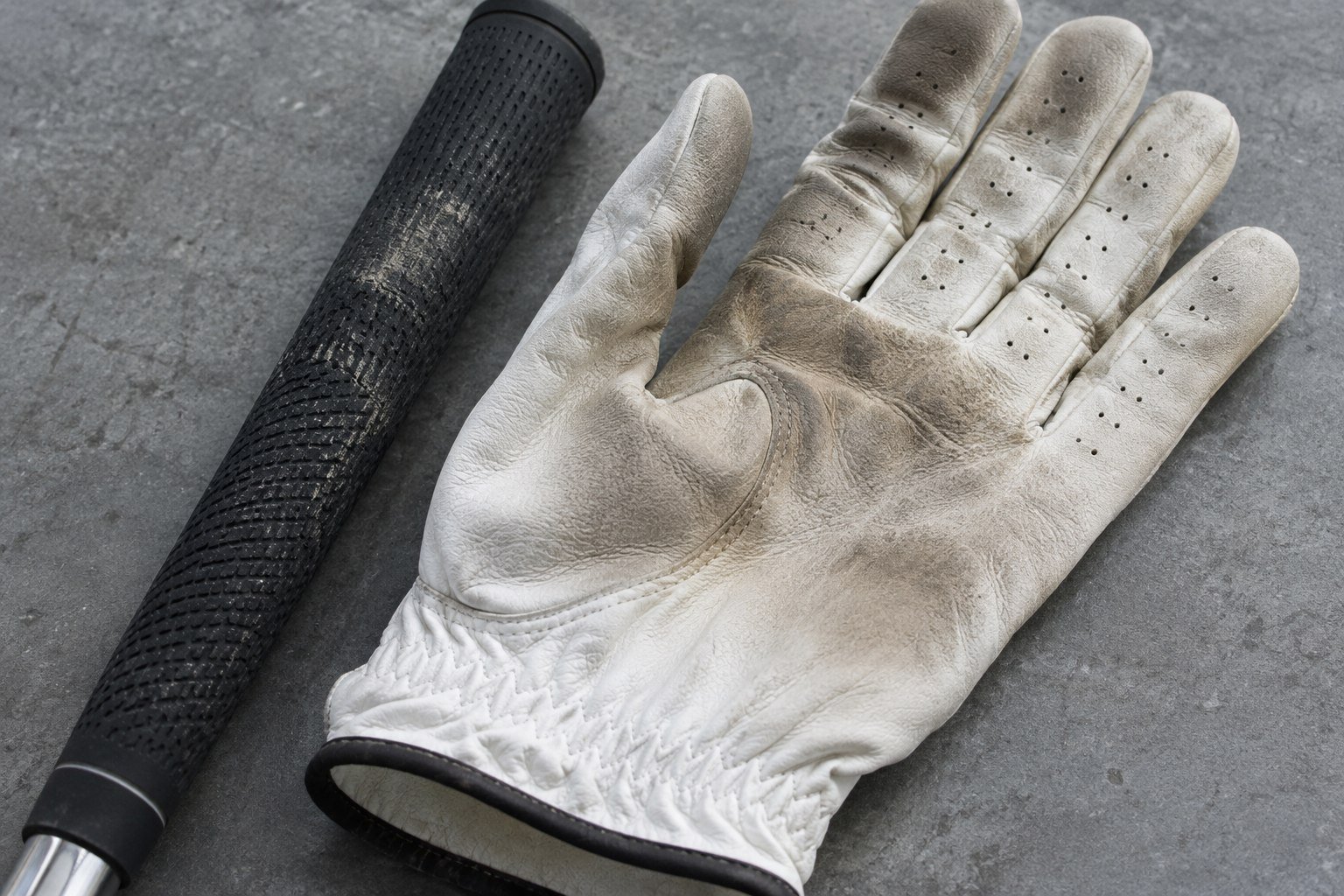
| Wear or cosmetic damage | Is the issue expected surface wear, or an abnormal failure needing investigation? | Clear photographs, age and a factual account of use. |
| Accident, misuse or poor care | What event or instruction is said to explain this fault? | Incident history and the exact care manual. |
| Alterations or third-party work | Which changed part is involved, who did the work and is the fault related? | Original specification, repair invoice and written authorisation. |
| Original owner or approved seller | Is the claimant eligible, and was this sale within the stated channel? | Invoice naming the seller and any transfer confirmation. |
| Territorial limits | Where was it bought, used and required to be serviced? | Purchase country and the applicable regional policy. |
| Registration or separate component cover | Does registration extend only one part’s warranty? | Component identity and dated registration confirmation. |
For example, Callaway’s UK-facing terms exclude ordinary cosmetic wear and damage caused by third parties. Motocaddy lists accidental damage, misuse and commercial use among its exclusions. FootJoy gives care-related examples, including leather cracking attributed to inadequate maintenance.[4][5][6]
“Wear” still needs context. The Consumer Rights Act’s satisfactory-quality assessment takes account of relevant circumstances such as the description and price, and includes durability where appropriate. That supports asking whether the observed failure is reasonable for the item and circumstances; it does not create one fixed lifespan for every golf product.[3]
Keep your account precise. “The seam opened during ordinary use after this many weeks” provides useful information. “It must be defective because it is expensive” supplies much less evidence. Equally, a reply that simply says “wear and tear” should prompt a request for the findings supporting that conclusion.
See how three UK-facing policies divide the cover
These are selected policy examples checked on 24 November 2026. They illustrate different conditions and are not a durability ranking. Read the exact model, purchase-date terms and regional policy before buying or claiming, especially where older and current policies appear on the same page.
Swipe within the table to see all columns.
| Example | Published position | Decision it should trigger |
|---|---|---|
| Callaway UK-facing equipment warranty | Generally two years for eligible authorised-retailer purchases, unless the product or packaging states otherwise. Remedies can include a new or refurbished replacement.[4] | Confirm seller eligibility, the exact product’s terms and whether the proposed replacement is appropriate. |
| Motocaddy standard electric trolley | The current policy gives non-M-TECH electric trolleys and batteries 24 months, with chargers separately covered for 12 months. A battery extension to 60 months requires registration within 45 days.[5] | Write down three component periods; do not assume the extended battery period covers the charger or whole trolley. |
| FootJoy UK shoe waterproof cover | The UK page provides a one-year waterproof warranty for shoes whose product page states that protection, subject to conditions including absence of cuts, abrasion and mistreatment.[6] | Save the exact shoe listing and check that it carries the stated waterproof promise. |
The practical lesson is to turn one headline into a short component list. For a trolley package, record trolley, battery and charger separately. For a shoe, separate waterproof performance from other quality provisions. For a club assembled or altered by different businesses, record which business supplied or worked on each part.
Do not extend a brand example to another model. “This brand offers five years” is incomplete if the five years apply only to an eligible, registered battery. A manufacturer’s replacement policy also needs reading: a repair or refurbished replacement can be a different outcome from a new retail-box product.
Back to top ↑Keep a small evidence folder while everything is easy to find
The best time to organise the paperwork is when you buy. Save readable copies locally so you are not dependent on an expired marketplace listing or a retailer account you can no longer access.
Swipe within the table to see all columns.
| Keep | What it helps establish |
|---|---|
| Invoice or receipt | Seller, purchase date, exact item and price. |
| Order specification and photographs on arrival | Model, component identities, build, included accessories and starting condition. |
| Warranty and product listing | The promise advertised at purchase, its territorial scope and exclusions. |
| Registration confirmation | Which product or component was registered and when. |
| Care instructions and service records | The instructions available and any authorised work. |
| Claim correspondence | The symptom reported, dates, proposed remedy and any costs agreed. |
For a statutory claim, GOV.UK notes that proof of purchase can include evidence beyond a receipt, such as a bank statement. A manufacturer’s voluntary process may request particular documents, so retaining the original invoice remains sensible. A payment record alone may not identify the exact shaft build or battery supplied.[2]
Keep full serial numbers and receipts in your private records; they do not need to be displayed in public posts. For a gifted or second-hand item, clarify who can claim and whether transfer is allowed. Citizens Advice highlights the importance of eligibility wording, rather than assuming that handing over the receipt transfers the guarantee.[8]
A folder should make the facts easier to retrieve. It is not a substitute for following a claim deadline or contacting the seller promptly.

Ask before modifications, repairs or a change of owner
Before paying for a reshaft, loft adjustment, electronics repair or replacement component, ask the guarantor how the proposed work affects its cover. Describe the exact item and job. Keep the reply and ask the technician to identify the work on the invoice.
A broad reassurance from somebody who does not issue the guarantee is less useful than written confirmation from the responsible business. Callaway’s published terms distinguish its cover from defects caused by third-party workmanship.[4] That is a reason to clarify responsibility before work, not to make the universal claim that every alteration cancels every possible consumer remedy.
Ordinary maintenance also needs the correct instructions. Use the maker’s care method for the material and item. Avoid an improvised treatment intended to conceal a fault, and do not dismantle a questionable clubhead or electrical product to obtain a better photograph. Motocaddy specifically instructs customers not to perform warranty repairs unless expressly directed.[5]
For used equipment, obtain a clear written answer about any remaining manufacturer cover and any separate guarantee provided by the seller. Motocaddy’s current manufacturer warranties are described as non-transferable.[5] A recent receipt and a product that looks new are therefore not sufficient to assume an eligible claim.
Keep fit and preference separate from a suspected defect. If a shoe simply feels wrong, investigate the applicable return options promptly. The site’s golf shoe sizing guide explains how to assess a new pair indoors before committing to course use.
Report a fault with observations the other side can assess
Stop using equipment that appears unsafe and contact the seller or manufacturer for the appropriate next step. Avoid further play with a suspect shaft or connection, and do not charge a battery showing damage merely to prove that it fails. Ask for safe assessment and transport instructions where relevant.
Give the following information in a short, organised message:
- The order, exact model and relevant serial number.
- The purchase and delivery dates, and when you first noticed the problem.
- A description of the symptom and circumstances, including any known impact, alteration or repair.
- Clear photographs showing the whole item and the affected area.
- The outcome you are asking for, and whether you are pursuing the guarantee or your rights against the retailer.
You can report that a head has become loose without deciding whether the cause is adhesive, an impact or an earlier repair. You can describe when water was noticed inside a shoe without claiming that a home photograph proves the entry path. The assessment should investigate the cause rather than rely on a confident guess.
Act promptly on a recent purchase
For qualifying faulty goods, the short-term right to reject is normally subject to a 30-day limit once the statutory starting conditions are met. A warranty conversation should not distract you from considering that remedy.[9] For repair/replacement and associated remedies, a fault appearing within six months is generally presumed to have existed at delivery, unless rebutted or incompatible with the nature of the goods or fault.[10]
Ask how the item should be returned and what happens if inspection finds no covered fault. Agree any potentially chargeable assessment before authorising it. For an eligible statutory repair or replacement, section 23 places necessary costs, including postage, on the trader and requires the remedy within a reasonable time without significant inconvenience.[7]
If a claim is refused, ask which fact and clause decided it
Request a written explanation that identifies the fault, the applicable term, the inspection findings and the proposed next step. An exclusion may be relevant, but you need to understand how it connects to this item.
Useful questions include: was the refusal because the claimant is ineligible, because the period expired, or because the damage was attributed to an excluded cause? Was only a photograph assessed, or was the item inspected? If a previous repair is blamed, what connection was found between that work and the present failure?
Then separate the manufacturer’s decision from the retailer’s duties. The Consumer Rights Act prevents a trader from contracting out of the relevant statutory goods rights and remedies. A manufacturer’s narrow promise does not itself settle whether the retailer supplied goods of satisfactory quality or as described.[11]
This does not mean every refusal is wrong or that every broken item must be replaced free. The purchase, condition, use and available evidence matter. If the disagreement is material, seek consumer advice appropriate to your UK nation before paying for a disputed repair or escalating a claim. Citizens Advice’s warranty page provides routes to nation-specific guidance.[8]
Keep correspondence calm and factual. Ask for the assessment and reasoning rather than demanding a specific current model or treating a social-media complaint as a substitute for a claim record.
Back to top ↑Compare the warranty before committing to the equipment
A useful buying check takes only a few lines. Write the exact model beside the following questions and obtain an answer to anything material that the published terms leave unclear.
- What type of failure is covered, and which parts have their own periods?
- When does each period start, and is registration needed for additional cover?
- Does this seller and intended country of use qualify?
- Who handles the claim, and where might the item have to go?
- Is the remedy repair, replacement, credit or a choice made by the provider?
- What delivery or inspection costs could I pay, and under which claim route?
- Will planned fitting changes, repairs or resale affect the manufacturer’s cover?
Use the answers to compare likely practical outcomes. A longer policy with an unsuitable territory, unavailable evidence or expensive return route may help less than a shorter promise you can actually use. Avoid paying a premium for headline years that apply to a different component or failure.
If an item already has a problem, investigate a legitimate claim before buying its replacement. If you are choosing new equipment, save the relevant terms with the order, complete any required registration promptly and keep using the appropriate care instructions. Those steps make the cover easier to understand and a later conversation easier to resolve.
Back to top ↑More questions
Does the warranty restart when equipment is replaced?
Do not assume it does. The applicable policy must say what happens. Motocaddy’s current terms state that repair or replacement continues the original warranty period. Ask for the relevant end date in writing when the replacement is supplied.[5]
Do I have to receive the newest equivalent club?
Check the promised remedy. Callaway’s published policy allows a new or refurbished replacement at its option. That illustrates why a warranty is not automatically an upgrade programme. Separately, any statutory remedy must meet the applicable legal requirements.[4]
What if the shop that sold the item has closed?
A separate manufacturer guarantee may still provide a route. Identify the guarantor in the paperwork and contact it with the purchase details. Citizens Advice distinguishes that position from a guarantee supplied only by the now-closed trader.[8]
Does a waterproof warranty cover every part of a shoe?
Read the scope. FootJoy’s UK terms set out waterproof protection separately from its general shoe quality warranty. A promise about water ingress is not an unconditional promise that the sole, lining and finish will remain unworn for the same period.[6]
Sources and checks
The manufacturer policy examples were checked against the sources below. Coverage depends on the exact product and purchase-date terms.
- Consumer Rights Act 2015, section 30 — Goods under guarantee
Checked 24 November 2026. - GOV.UK — Accepting returns and giving refunds: the law
Checked 24 November 2026. - Consumer Rights Act 2015, section 9 — Satisfactory quality
Checked 24 November 2026. - Callaway Golf, United Kingdom — Warranty information
Checked 24 November 2026. - Motocaddy UK — Warranty information
Checked 24 November 2026. - FootJoy UK — Warranties information
Checked 24 November 2026. - Consumer Rights Act 2015, section 23 — Repair or replacement
Checked 24 November 2026. - Citizens Advice — Claim using a warranty or guarantee
Checked 24 November 2026. - Consumer Rights Act 2015, section 22 — Short-term rejection deadline
Checked 24 November 2026. - Consumer Rights Act 2015, section 19 — Consumer remedies
Checked 24 November 2026. - Consumer Rights Act 2015, section 31 — Rights that cannot be excluded
Checked 24 November 2026.
Illustrations in this article were created for Taylor’s Trailblazing Golf. Third-party photographs, where used, are credited beside the image or in the source list.